REVIEW · CAPPADOCIA
From Cappadocia: 2-Night Nemrut, Sanliurfa, and Harran Tour
Book on GetYourGuide →Operated by TRAVELUX CAPPADOCIA · Bookable on GetYourGuide
Mount Nemrut makes the whole region feel bigger. In just three days, you’ll connect Nemrut sunrise with deep-time archaeology at Göbeklitepe and the unusual mud-brick world of Harran.
What I like most is the way the tour strings together big-name sights without turning it into a frantic checklist. The second win for me is the pace: enough time to look closely, not just snap photos and move on.
I also like the stop-and-breathe moments that feel local, not just monumental. You’ll visit the Karatayhan Caravanserai on the Silk Road and then get a very Turkey-style cultural detour with Kahramanmaraş ice cream on the way. One consideration: this is a road-trip tour with early starts and long driving days, so if you hate getting up before sunrise, plan accordingly.
In This Review
- Key highlights worth prioritizing
- A fast, focused route through Adıyaman and the old Silk Road
- Day 1: Cappadocia to Kahramanmaraş and the Caravanserai stop
- Why the first day’s mix works for most people
- Day 2 morning: Nemrut summit, sunrise timing, and the Commagene giants
- Day 2 afternoon: Atatürk Dam, Göbeklitepe, and the Pools of Holy Carp
- The covered bazaar and Gümrük Han stops: how to enjoy them without rushing
- Harran at village pace: mud-brick beehive houses and Genesis vibes
- Day 3: Birecik’s bald ibis breeding farm and the Taurus return
- Price and value: what $3,543 per group covers (and what doesn’t)
- Guide quality and how the tour keeps moving smoothly
- Small practical tips that make this trip feel easier
- Who this tour suits best
- Should you book this tour?
- FAQ
- How long is the tour and how many nights are included?
- Where is the tour located?
- What’s included in the price?
- What is not included?
- Is this tour private or group-based?
- What languages are available for the live guide?
- Is pickup and drop-off included?
- Is the tour wheelchair accessible?
Key highlights worth prioritizing
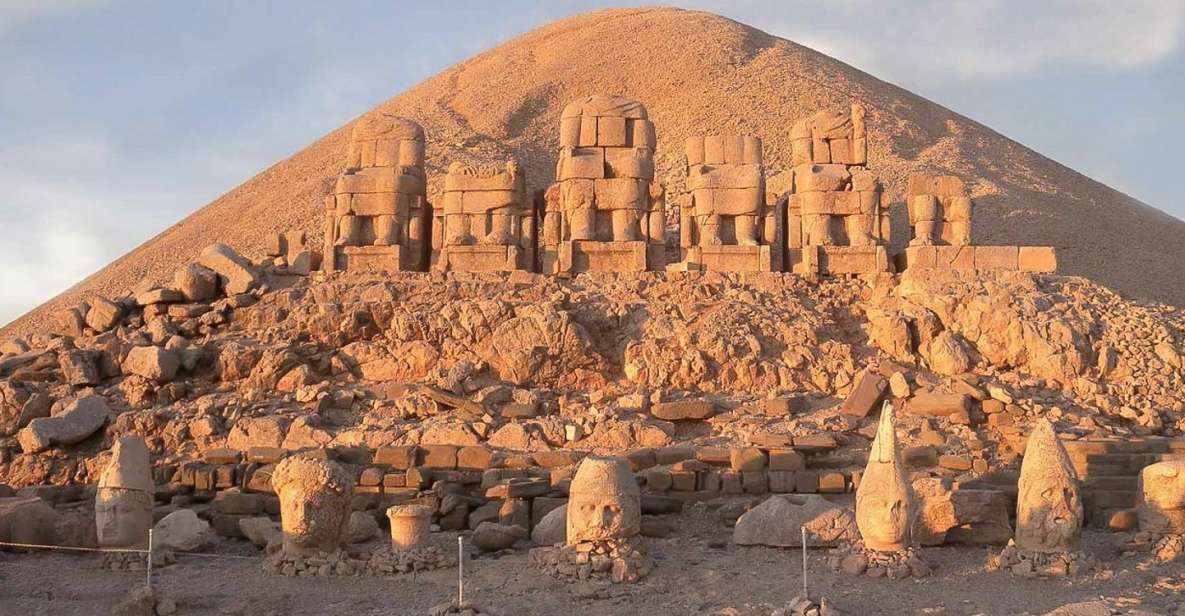
- Nemrut’s sunrise walk: a short push to the summit for the memorable light over massive heads and statues
- Karatayhan Caravanserai: a real Silk Road stop, not just a drive-by photo stop
- Arsemia and the Severus Bridge: Commagene ruins plus a dramatic Roman-era bridge over the Cendere Stream
- Göbeklitepe timing after lunch in Sanlıurfa: you’ll pair modern logistics with an 11,500-year-old sanctuary
- Abraham’s Cave and the Pools of Holy Carp: a religious site experience with a very visual, hands-on feel
- Harran’s mud-brick beehive houses: the Book of Genesis connection meets an atmospheric village reality
A fast, focused route through Adıyaman and the old Silk Road
This tour is built for people who want eastern Turkey’s “wow factor” without trying to stitch together transportation on your own. You move from Cappadocia’s surreal world into the real ruins, real villages, and real river valleys of Adıyaman and Şanlıurfa. It’s a lot to pack into three days, but it’s also very efficient.
The value sits in the pairing: the spectacular and the ancient, plus a couple of cultural breaks. You’re not only chasing famous names like Nemrut and Göbeklitepe—you also stop at places that explain how these regions connected: caravans, trade routes, and pilgrimage geography.
And yes, the route passes through an earthquake-affected area, which adds a sobering real-world layer to the sightseeing. It doesn’t ruin the trip. It just keeps your brain switched on.
You can also read our reviews of more evening experiences in Cappadocia
Day 1: Cappadocia to Kahramanmaraş and the Caravanserai stop
Day 1 starts with a hotel pickup around 8:00 AM and a drive that quickly shifts your mental scenery. You go past Kayseri and head toward the Seljuk-era Karatayhan Caravanserai, a stop on the Silk Road that helps you understand how travel worked long before cars.
I like caravanserais because they’re practical archaeology. They were built for people who traveled for work, faith, or profit, not for us to admire from a distance. Even if you’re not an architectural nerd, you’ll get the idea: this was a resting point where trade, language, and food could change hands.
Next comes the drive through the Taurus Mountains and countryside. The road time matters here, because it sets up what the rest of the trip delivers: you’re crossing terrain and daily-life zones, not just hopping between parking lots.
Then you reach Kahramanmaraş for lunch and, per the tour’s plan, you get time to try ice cream there. This isn’t just a random snack stop. It’s one of those local, specific pleasures that makes a long day feel human.
That night, you’ll overnight in Adıyaman.
Why the first day’s mix works for most people
This Day 1 is doing smart work for you. If you try to “save” all the sightseeing for Day 2, you end up rushing Nemrut and burning out. By day 1 adding Karatayhan and Kahramanmaraş, your brain wakes up gradually.
Also, you get to adjust to the driving rhythm. You’ll still be on the move later, but the tour doesn’t throw everything at you on the first morning.
If you’re the type who needs downtime, try to take it seriously that first evening. Long road days feel shorter when you start them rested.
Day 2 morning: Nemrut summit, sunrise timing, and the Commagene giants
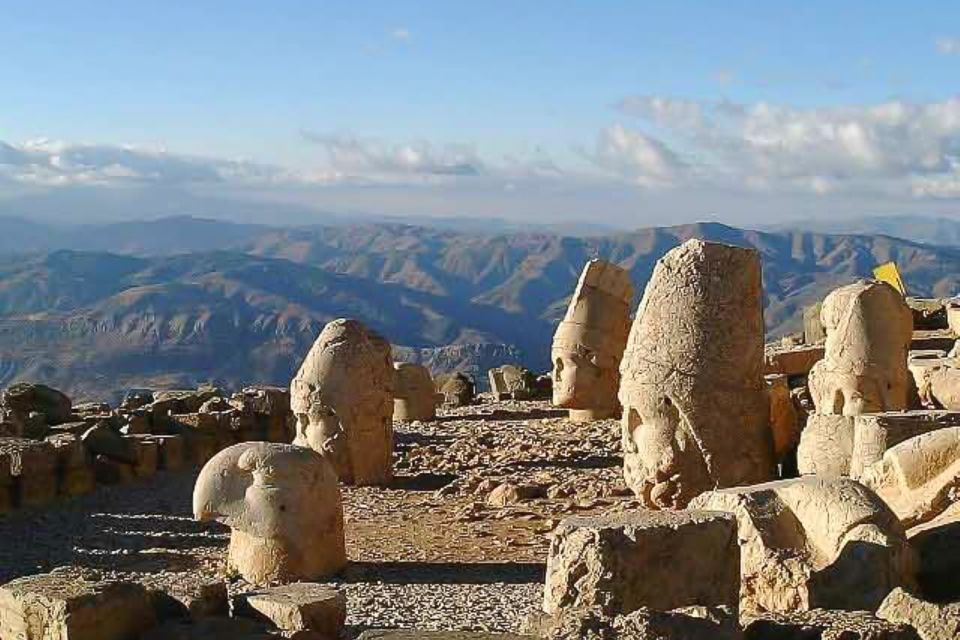
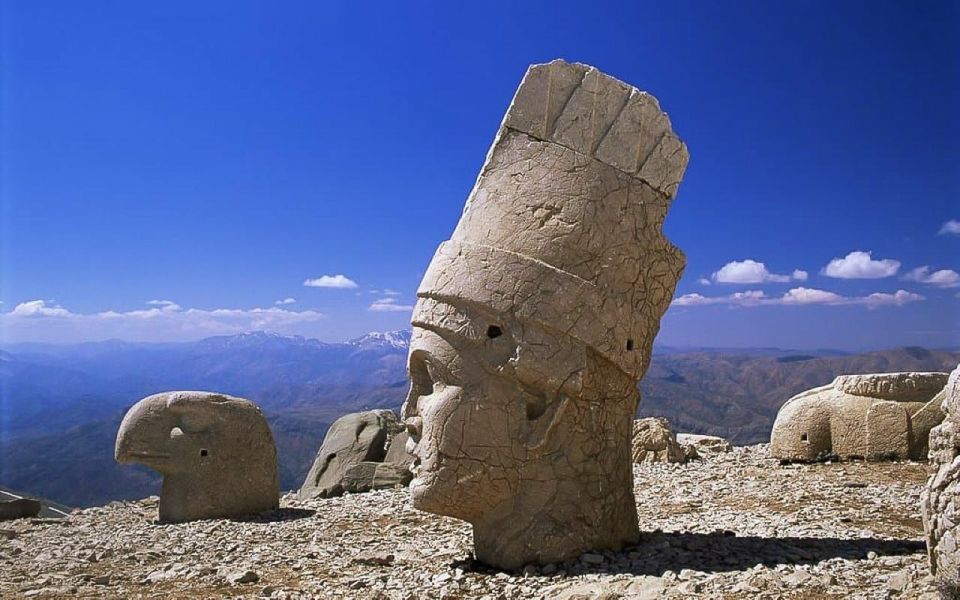
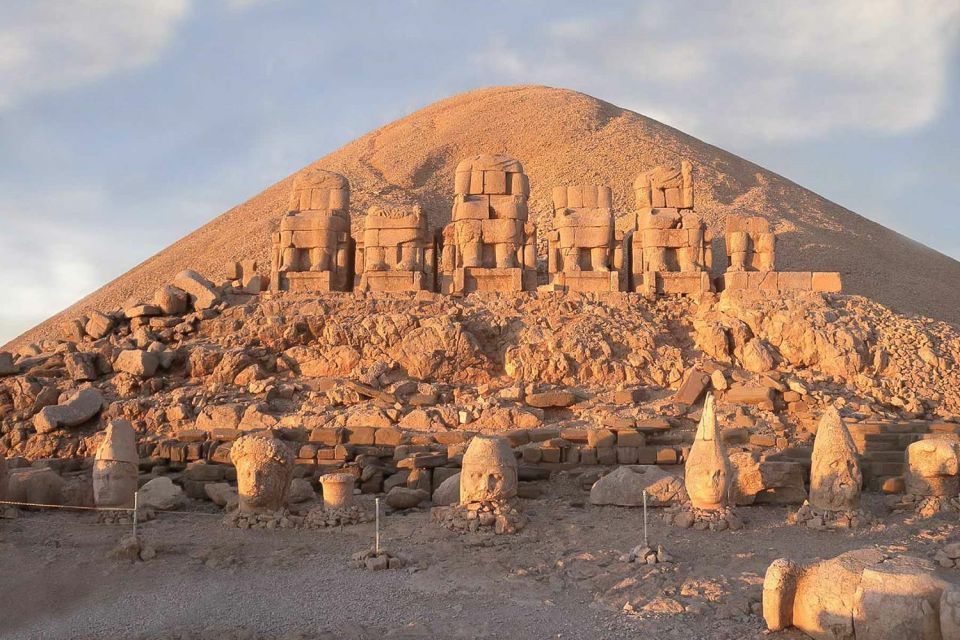
Day 2 begins early, because Mount Nemrut is about timing. You’ll head toward the summit area, then at the end of the road you walk about 25 minutes to the top viewpoint.
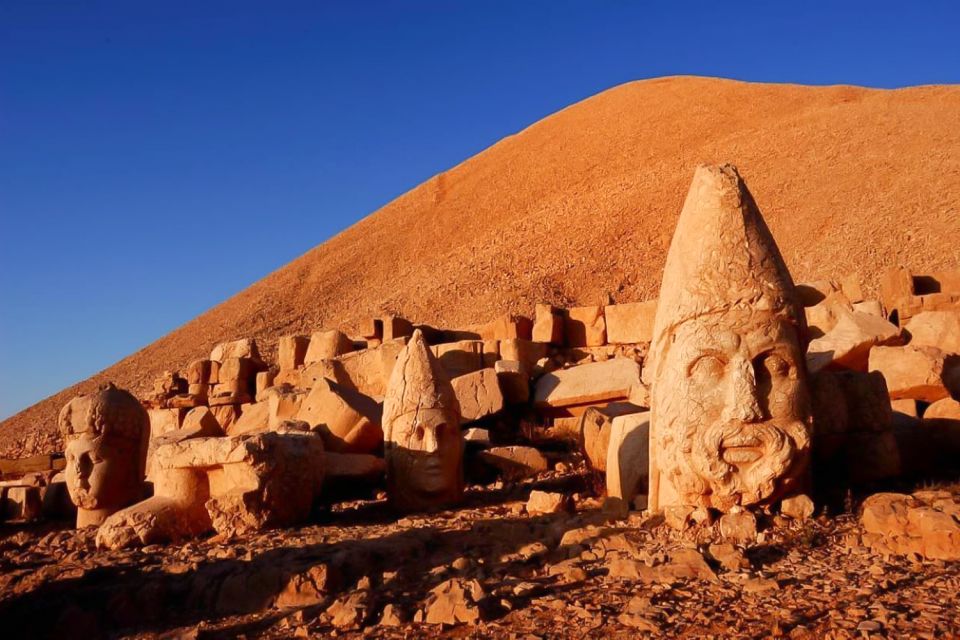
The payoff is the sunrise. The description of colossal-sized statues and heads isn’t exaggeration—it’s the core effect. This is one of those places where scale does the emotional work for you. You don’t need a lecture to feel it.
What I’d tell you to expect is crowd-and-cold management. Sunrise typically means you’re moving before most people are fully awake, and the summit walk means you want comfortable shoes. Bring layers if you run cold, and keep your camera ready early so you’re not fumbling while the light changes.
After Nemrut, you head to Arsemia, once the capital of the Commagene Kingdom. This is where the trip widens from one famous viewpoint into an archaeological setting. The goal isn’t speed-reading history. It’s seeing that Nemrut didn’t appear in a vacuum. It was part of a bigger political and artistic world.
Then you visit the Septemius Severus Bridge over the Cendere Stream, plus the Karakus Tumulus, connected to royal burials. This is a nice contrast. Nemrut gives you monumental power and royal iconography. The bridge gives you the engineering side of empire—how routes and crossings mattered.
Day 2 afternoon: Atatürk Dam, Göbeklitepe, and the Pools of Holy Carp
After the morning sites, you switch gears toward Sanlıurfa. En route, the tour includes a stop at the Atatürk Dam, described as the largest dam in the Middle East. Even if you’re not a hydrology fan, it’s an effective pause—big modern infrastructure in the middle of an ancient region.
Then you reach Sanliurfa, check in, and have lunch. That matters because Day 2 is packed. Food and a proper break keep you from feeling like you’re rushing through Göbeklitepe like it’s a drive-by.
After lunch you go to Göbeklitepe, a hilltop sanctuary dated to about 11,500 years old, considered by archaeologists to be among the oldest known sanctuaries. This site hits differently when you’ve just come from Nemrut. You go from royal monumental sculpture to a place that suggests communal ritual far earlier than people expect.
Next is Abraham’s Cave and the Pools of Holy Carp surrounding it. This is where the trip becomes more sensory. The pools are a visible, active part of the site experience, so you’re not only looking at stones—you’re seeing a living element that people associate with faith and tradition.
The covered bazaar and Gümrük Han stops: how to enjoy them without rushing
From there, you walk an oriental covered bazaar and visit Gümrük Han. These stops are valuable because they take you away from the ruins and back into daily space—where people shop, trade, and pass time.
The trick is to treat this like a slow wander, not a checklist. The bazaar is where you can pick up your bearings in a new city, get oriented to streets, and spot what locals value in everyday goods.
You’ll finish Day 2 by driving to Harran.
Harran at village pace: mud-brick beehive houses and Genesis vibes
Harran is famous for mud-brick “beehive” houses. The tour notes they’re mentioned in connection with the Book of Genesis—Abraham is associated with the area as spending his last years there.
I like Harran because it feels like the tour slows down just enough. In the middle of so much ancient monument viewing, you get a more lived-in village texture. It’s not just a site you stand on; it’s a place with a slower rhythm.
Dinner and your second night are in the Sanlıurfa area, after your Harran visit. That setup means you can enjoy Harran’s atmosphere without giving up the practical comfort of your hotel base.
Day 3: Birecik’s bald ibis breeding farm and the Taurus return
On your final day, you go from Sanlıurfa to Birecik, a place known for bald ibises. The tour includes a visit to a bald ibis breeding farm, where you can see how conservation and breeding programs work in practice.
It’s a smart add-on because it prevents the trip from ending as a purely archaeological loop. Instead of only going deeper into ancient stone, you end with wildlife and conservation. Even if you’re not a bird person, it’s a memorable change of pace.
After lunch, you drive up toward the Taurus Mountains for a short tea break before returning to Cappadocia. These tea stops are small, but they matter. After three days of structured touring, you get a moment where you’re just sitting, watching road life pass, and resetting.
Price and value: what $3,543 per group covers (and what doesn’t)
At $3,543 per group up to 1, this is clearly priced as a private, full-transport tour rather than a cheap group bus deal. So the value question isn’t only what you see—it’s whether someone else handles the logistics across a long route.
What you do get included:
- Air-conditioned transportation
- A professional English-speaking guide
- 2 nights accommodations
- 2 breakfasts, 3 lunches, 2 dinners
- Entry fees
- Hotel pickup and drop-off
What you don’t get included:
- Personal expenses
- Drinks at lunch and dinner
For me, the value is strongest if you care about having a guide to connect the dots. Nemrut, Arsemia, Göbeklitepe, and the Harran mud-brick experience are all the kind of places where context changes your experience a lot. When the guide is organized well—and the tour’s reviews point toward solid organization and good food—that context is part of what you’re paying for.
If you’re traveling solo and hate planning, the private format can feel like a relief. If you’re two or more people and you have the skills to self-drive, you might compare costs. But this itinerary is long-distance and time-sensitive, and that’s where guided convenience earns its keep.
Guide quality and how the tour keeps moving smoothly
The tour stands out for organization and guide performance in the ways that matter on the ground. The reviews I saw praised the guide for being highly effective at explaining what you’re looking at, and the overall trip structure for staying smooth even with a long route.
That matters because eastern Turkey can be a lot to manage when you’re coordinating your own time. Here, you’re on a schedule with hotel pickup, planned stops, and set meal timing. It reduces the stress of figuring out when to eat, where to park, and how to connect the sites without wasting daylight.
Also, the included meals mean you’re not constantly hunting for food after long driving and walking. You still need to make smart choices for your own taste, but you’re not stuck.
Small practical tips that make this trip feel easier
A few practical things will help you enjoy the tour more:
- Wear comfortable walking shoes for the Nemrut summit walk.
- Bring a light layer for sunrise timing and early mornings.
- Have some cash for any personal extras not covered by the tour.
- If you’re sensitive to real-world issues, keep in mind the route passes through an earthquake-affected area, so plan mentally for moments that feel heavier than pure sightseeing.
- For the bazaar, go with a slow mindset. It’s better as a wander than a sprint.
And one more: keep your expectations “story-shaped.” This isn’t just a list of famous stops. The best way to experience it is to think of it as moving from Silk Road travel to empire monuments to ancient ritual sites, then back into village life.
Who this tour suits best
This is a strong fit if you want:
- A structured route that links Nemrut + Göbeklitepe + Harran
- A guide to explain context so you don’t miss the meaning of what you see
- Convenience: transport, entry fees, and most meals handled for you
- A mix of monumental ruins and place-based local culture like caravanserais and bazaars
If you’re very picky about pace, you should know it’s not a “slow local life only” trip. It’s built for efficient sight-to-sight movement. Plan your patience for early departures and steady driving.
Should you book this tour?
I’d book this if you’re excited by the combination of sunrise at Nemrut, the scale of Göbeklitepe, and the strange charm of Harran’s mud-brick houses. You’re getting a lot of “major Turkey” themes in one shot, and the included meals and entries help make the cost feel more justified.
If you dislike long drives, or you want to spend lots of time purely wandering without a schedule, then you may prefer a slower, single-region plan. But if you want a well organized, guided route that keeps the day-to-day friction low, this one is a solid choice.
FAQ
How long is the tour and how many nights are included?
It’s a 3-day tour with 2 nights of accommodations.
Where is the tour located?
The tour operates in Adıyaman Province, Turkey, with stops also around Sanliurfa and nearby areas.
What’s included in the price?
Transportation in an air-conditioned vehicle, a professional English-speaking tour guide, 2 nights accommodations, 2 breakfasts, 3 lunches, and 2 dinners, museum entry fees, and hotel pickup and drop-off are included.
What is not included?
Personal expenses and drinks at lunch and dinner are not included.
Is this tour private or group-based?
It’s a private group tour.
What languages are available for the live guide?
The tour offers live guiding in English, Spanish, Portuguese, Japanese, Italian, French, and Arabic.
Is pickup and drop-off included?
Yes. You get pickup and drop-off from/to hotels. The driver will wait briefly in the lobby with a sign showing your last name.
Is the tour wheelchair accessible?
Yes, it is listed as wheelchair accessible.