REVIEW · CAPPADOCIA
CAPPADOCIA : Traditional Local Carpet Weaving Tour
Book on GetYourGuide →Operated by Emoji Turismo · Bookable on GetYourGuide
Carpets start as a knot and a plan. In just 2 hours, you’ll learn how Turkish rugs moved from Central Asia to Europe and beyond, then try the craft yourself. I like that the focus stays on what makes the patterns and the how-it’s-made details, not just sales talk.
Two things I especially appreciate: you get to see rugs and techniques up close, and you get hands-on time to create a design. The session is guided, and the center shows you the process in a way that actually helps you understand what you’re looking at later. One thing to consider: there’s some walking and this isn’t ideal if you have severe wool allergies or you’re bringing very young kids.
In This Review
- Key Points That Make This Tour Worth Your Time
- Pickup Across Cappadocia: Easy Starts, Real Logistics
- Inside the Carpet Weaving Center: What You’ll See Up Close
- Turkish Carpets in Context: Why People Paid Premium Prices
- The Weaving Experience: Try Your Hand at Creating a Design
- Patterns, Knots, and Durability: What the Craft Teaches You
- Price and Value: Why $16 for 2 Hours Can Be a Smart Deal
- Shopping Time: How to Buy (or Not Buy) With Clearer Eyes
- Languages, Group Size, and Comfort Details That Matter
- Who Should Book This Carpet Weaving Tour
- Should You Book This Cappadocia Carpet Weaving Tour?
- FAQ
- How long is the Cappadocia carpet weaving tour?
- What is included in the price?
- Where do pickup and drop-off happen?
- What languages are offered?
- Is the tour suitable for people with wool allergies?
- Is there free cancellation?
Key Points That Make This Tour Worth Your Time
- Pickup options across Cappadocia villages make it easy to join without navigating on your own
- Close-up pattern viewing helps you spot design choices instead of just admiring from a distance
- Hands-on weaving/design practice gives you a real feel for the craft
- Clear explanations of knots and durability (including double-knot concepts) make the rug science understandable
- A wide variety of carpets on display keeps the experience from feeling repetitive
- Private group format means the guide can move at a comfortable pace
Pickup Across Cappadocia: Easy Starts, Real Logistics
This tour is set up for convenience. You’re collected from one of eight areas in Cappadocia—Ortahisar, Mustafapaşa, Ürgüp, Göreme, Uçhisar, Nevşehir, Çavuşin, or Avanos—then dropped back after the weaving session. The whole point is to remove the “how do I get there?” problem, so you can spend your time watching, learning, and (if you want) making a small design.
The ride matters more than it sounds. Cappadocia’s villages can feel close on a map, but they’re spread out in real life. A pickup plan that matches your base saves you from taxi negotiations or bus schedules. Since this is a private group, the drive tends to feel more direct and less like you’re herded with a crowd.
You’ll also have a short break and free time built in. That’s useful because carpet weaving demos can be visually intense—especially when you’re staring at fine details—so the pause gives your eyes a reset before you shop or do a bit of sightseeing. Wear comfortable shoes; there’s walking involved just getting around the center.
You can also read our reviews of more tours and experiences in Cappadocia.



Inside the Carpet Weaving Center: What You’ll See Up Close
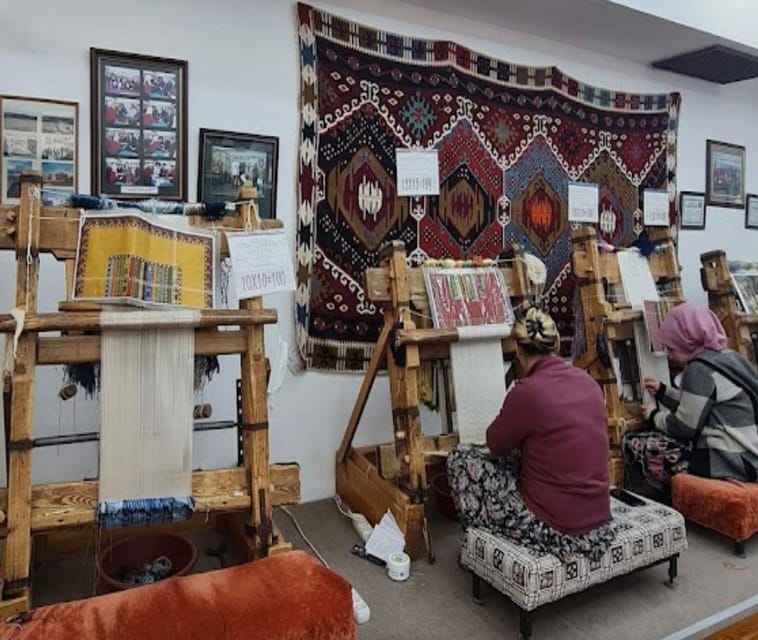
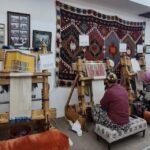
The heart of this experience is the weaving center visit, where the guide introduces Turkish carpets as more than souvenirs. You’ll hear how carpet weaving became part of Turkish culture and how older Central Asian traditions shaped what Turks carried and developed over time. The storytelling stays practical: it connects materials, technique, and pattern style to real reasons people wanted these textiles.
Here’s what you should look for while you’re there:
You’ll see carpets and examples of knotted kilim styles, including references to how the oldest examples are associated with Central Asia. The guide explains that Turks didn’t just inherit the idea—they developed and presented it to the wider world. That matters because you start noticing motifs with a context, instead of treating every rug as the same “antique-looking” product.
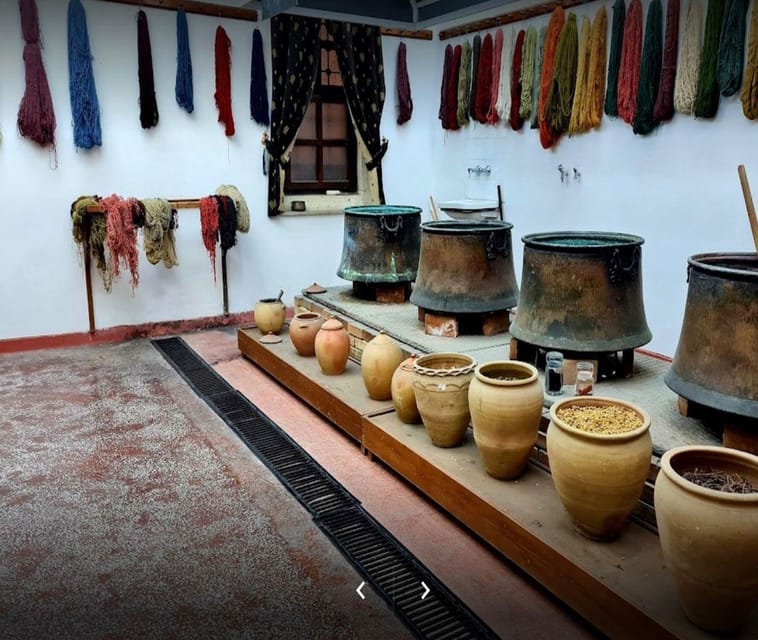
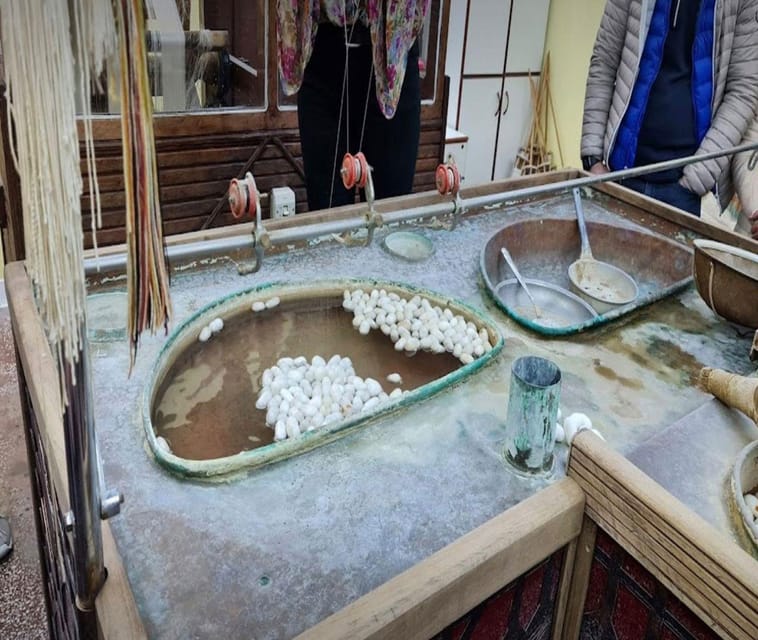
You’ll also learn why lamb’s wool plays such a big role. The explanation is straightforward: lambs were common in Central Asian steppes, and wool helps with cold conditions. When you understand that, the material stops being a vague marketing line. You begin to see wool as the practical foundation for durability and comfort, not just a romantic tradition.
A big theme is spread—how weaving traveled. You’ll hear how Turkish weaving spread everywhere Turks went, then how techniques made their way to the Mediterranean via the Seljuks in the 12th century. And yes, the tour even references how Marco Polo described carpet displays in palaces and mosques. It’s the kind of detail that makes the craft feel connected to real history, not just interior design.
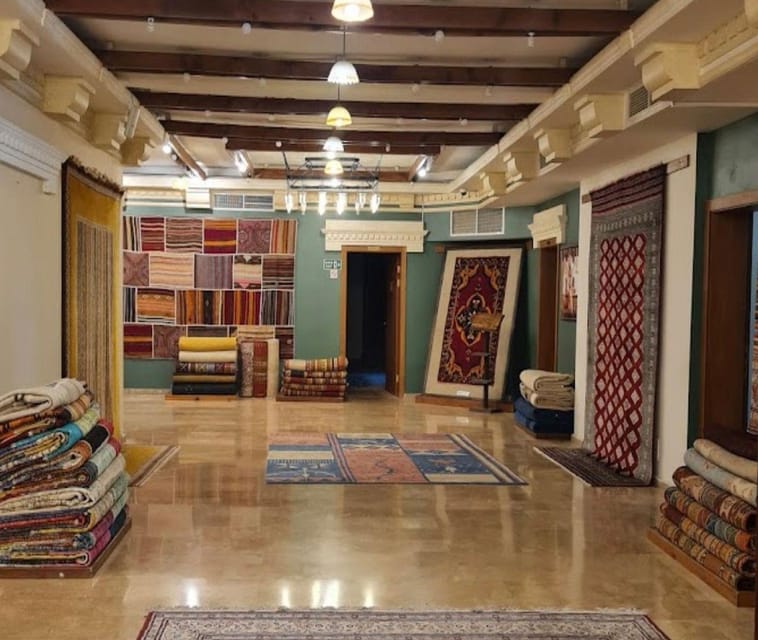
Then comes the part that most people love: close-up pattern viewing. You’re not just shown a rug from far away. You get to see how the design works visually, so when someone points to a pattern section, your eyes know what they’re talking about. That’s also why the center visit works well for people who think they don’t know anything about carpets—you’re guided into understanding step by step.
Turkish Carpets in Context: Why People Paid Premium Prices
One reason people get excited about this tour is the value story. The guide covers how carpets moved from everyday craft to high-status objects. You’ll learn about how private collectors, elite families, and museums became proud owners of antique rugs. That tells you something important: these weren’t always “cheap and cheerful” goods. They were often treated like serious possessions.
In the 14th, 15th, and 16th centuries, handmade Turkish carpets were valuable items for noble and wealthy families in Europe. You’ll also hear that durable double-knotted carpets are tied to Turkish tribal invention. The tour frames it simply: technique affects longevity, and longevity is part of why certain rugs were worth displaying and passing down.
For you, this context does two helpful things:
1) It changes how you judge what you’re seeing. Patterns and knotting choices stop being random decoration.
2) It gives you a clearer sense of why buying a rug can be a long-term decision rather than a quick impulse.
This is also why I think the hands-on part matters. Even if you don’t become a rug expert overnight, you’ll walk out with a better instinct for what’s labor-intensive and what’s just decorative copying.
The Weaving Experience: Try Your Hand at Creating a Design
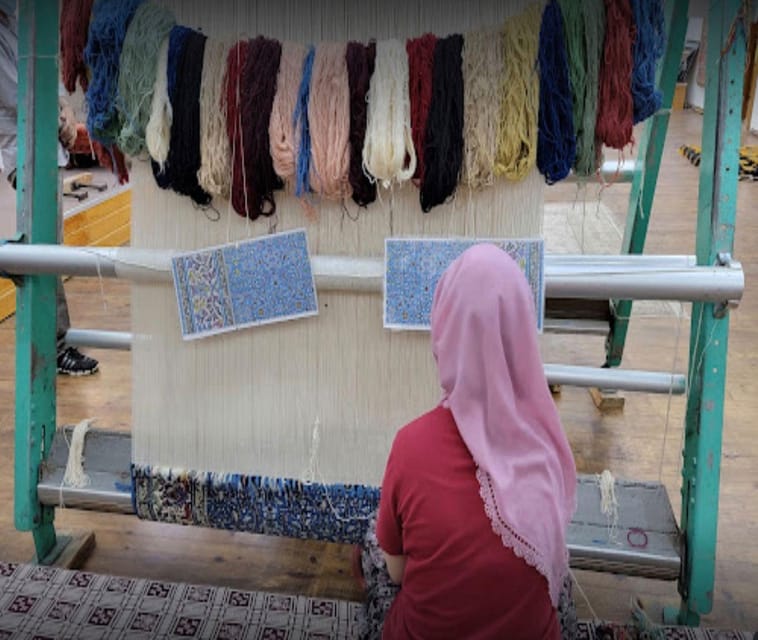
This tour isn’t only watching. You’ll get the chance to experience carpet weaving and learn the process enough to create your own design. The guide walks you through the steps, and you try to make a pattern yourself. That’s the best payoff for the price and the time: you don’t leave just impressed; you leave with a tiny piece of understanding in your hands.
What you can expect in the weaving/design portion:
- Guided explanation of techniques used to create patterns
- A look at how intricate designs are built through the weaving method
- A chance to produce a design element rather than just pointing at one
I like these kinds of craft tours because they turn “I can’t tell the difference” into “I know what to look for.” If you’re the type who likes to shop but hates feeling fooled, this is one of the better antidotes. Even simple hands-on time helps you notice quality and effort.
Practical note: this isn’t positioned as physically extreme, but it does involve focus and hands-on work. If your patience runs short, plan to treat this like a studio session, not like a quick photo stop.
Also keep in mind the comfort and health details the tour states. If you have severe allergies to wool, this may not be a good fit. And children under 6 may find the experience challenging. The guide’s instructions and the weaving work require concentration.
Patterns, Knots, and Durability: What the Craft Teaches You
The guide’s explanation of techniques is where the tour earns its keep. Turkish carpets can look beautiful without being easy to understand. Here, the tour tries to connect the “look” to the “method.”
You’ll learn about concepts around durability, including double knotted approaches associated with Turkish tribes. Even if you don’t memorize every term, you’ll understand the bigger point: the way a carpet is made affects how it holds up over time. That’s the difference between buying something that’s just meant for a shelf and something that’s built to last.
You’ll also learn the idea that the craft traveled with people—Central Asia to new regions—so design choices evolved while the core technique stayed recognizable. When you see a rug later and you can mentally connect it to materials and knots, you’ll feel smarter fast.
This is also why the tour’s “see patterns up close” part matters. When you’re close enough to notice the design structure, you stop shopping by style alone. You start shopping with method in mind.




Price and Value: Why $16 for 2 Hours Can Be a Smart Deal
At $16 per person for a 2-hour experience, this is priced like a practical cultural stop, not a luxury workshop. What makes it better value than many “look and listen” activities is that the cost includes:
- Entrance to the carpet weaving center
- Hotel pickup and drop-off
Food and drinks are not included, so you’ll want to plan something light before or after. But you’re not paying separately for entry or transport, which is a big chunk of the cost in Cappadocia.
When you think about value, also consider the outcome. You get history context, close-up viewing, technique explanations, and hands-on design time. Most souvenir shopping tours give you one of those. This tour tries to give you the understanding behind the products.
If you’re trying to keep your day budgeted while still doing something meaningful, this is the kind of tour that fits. It’s also a good option when weather changes quickly and you still want an indoor cultural activity.
Shopping Time: How to Buy (or Not Buy) With Clearer Eyes
Most carpet centers end with shopping time, and this one builds in time for shopping and sightseeing. A key detail: the tour presentation is meant to help you understand what you’re looking at, so any buying decision is less based on pressure and more based on what you like and what you can explain.
How I’d approach the shopping window:
- Use the design and technique knowledge you just learned to judge patterns
- Think of your favorite motifs as “taste,” not just “chance”
- If you want to buy, decide before you feel rushed in the final minutes
Because you’ll see a variety of carpets and get a clearer picture of weaving methods, you’ll likely feel more confident about whether a piece fits your eye and budget. And if you don’t want to buy, you can still treat it as a high-quality craft education stop.
One more helpful angle: learning the process changes what you notice. You may start seeing how patterns are structured rather than only admiring the overall look. That means even if you leave empty-handed, you’re leaving with useful visual skills.
Languages, Group Size, and Comfort Details That Matter
This experience runs with an instructor available in Japanese, English, Portuguese, Spanish, and German. That’s a big advantage in Cappadocia, where language barriers can wreck an otherwise great activity. You’ll also have a private group format, which usually feels calmer and more flexible than shared tours.
The tour is wheelchair accessible, which is not something you can assume with every craft visit in older areas. Still, there is some walking involved, so if you use a wheelchair or mobility aid, I recommend you plan for short transfers inside the center and wear footwear that works with your mobility needs.
Finally, remember the wool allergy note. If you’re sensitive to wool, skip it. The tour involves wool-based materials as part of the craft learning.
Who Should Book This Carpet Weaving Tour
This works best for you if you want:
- A short, guided cultural activity in Cappadocia that’s not just sightseeing
- A hands-on craft moment, even if you’re a beginner
- A better understanding of how Turkish carpets are made and why they matter
It’s also a good fit if you’re the type who enjoys markets, but you want to shop with context. Knowing the basic ideas behind knotting and materials helps you ask better questions and recognize quality more quickly.
You might want to skip it if:
- You have severe wool allergies
- You’re traveling with very young children who may struggle to stay focused
If you’re looking for a quick “craft photo” stop only, you may also find the hands-on work requires a bit more attention than you expected. But if you’re even slightly curious, it’s usually a satisfying use of time.
Should You Book This Cappadocia Carpet Weaving Tour?
I’d book this tour if you want a practical, short experience that combines history, close-up viewing, and hands-on design practice for a low per-person price. The biggest win is that you leave with more than admiration—you leave with a clearer sense of technique, materials, and why rugs were valued.
I would hesitate only if wool allergies are a concern, or if you prefer activities with minimal walking and minimal concentration. If those aren’t issues for you, this is one of the more thoughtful “do something real” stops you can add during a Cappadocia day.
FAQ
How long is the Cappadocia carpet weaving tour?
It lasts 2 hours.
What is included in the price?
The tour includes entrance to the carpet weaving center and hotel pickup and drop-off.
Where do pickup and drop-off happen?
Pickup and drop-off are available in multiple Cappadocia locations, including Ortahisar, Mustafapaşa, Ürgüp, Göreme, Uçhisar, Nevşehir, Çavuşin, and Avanos.
What languages are offered?
The instructor is available in Japanese, English, Portuguese, Spanish, and German.
Is the tour suitable for people with wool allergies?
It is not suitable for people with severe allergies to wool.
Is there free cancellation?
Yes. You can cancel up to 24 hours in advance for a full refund.