Turkish coffee turns into a hands-on ritual. I love how the session teaches sand-brew basics and fortune reading in about an hour, with tasting and a take-home kit. It’s a fun, cultural activity in Göreme that feels way more useful than just sampling coffee.
I like the step-by-step brewing practice for Turkish coffee both on the stove and with sand, so you’re not just collecting photos. One drawback to consider: you’ll want breathing room before and after, because the grinding, brewing, and reading can stretch the experience beyond what you’d expect from a simple snack stop.
English instruction and small groups (cap 30) help a lot. In the same room, guides like Zehra and Ahmed are reported to keep things interactive and easy to follow, whether you go solo or with a partner.
In This Review
- Key highlights worth planning for
- Getting to the Workshop in Göreme (and Why It Matters)
- What You Learn Beyond Coffee (Turkish Culture, With a Purpose)
- The Brewing Part: From Choosing Blends to Making Your Own Cup
- Sand vs Stove: Why This Combo Is the Smart Version
- Menengiç Coffee and the Decaf-Friendly Options
- The Tasting Moment: Treat Pairings and What They Do for the Flavor
- Fortune Telling Over Coffee Grounds: The Fun Part With Real Charm
- The Gift Set: Why It Changes the Value Math
- How Long It Takes (and How to Plan Your Day)
- Who This Turkish Coffee Workshop Is Best For
- Price and Value in Cappadocia (Is $28.48 a Good Deal?)
- My Booking Advice: Should You Do It?
- FAQ
- Where is the Turkish coffee workshop meeting point in Göreme?
- How long does the workshop last?
- What language is the workshop offered in?
- Do I need a paper ticket?
- Is fortune telling included?
- What coffee options do I get to choose from?
- What is included in the gift set?
- How many people are in a group?
- Can I cancel for a full refund?
Key highlights worth planning for
- Sand and stove brewing in one session (so you learn the method, not just the story)
- Choose from three blends, plus tasting options including caffeine-free Menengiç coffee
- Fortune telling from your coffee grounds/cup with lots of laughs and personal touches
- You leave with a gift set: cezve, cup set, and ground coffee
- Small-group vibe with English support and prompt, organized hosting
Getting to the Workshop in Göreme (and Why It Matters)
The workshop starts in central Göreme at Gaferli Mahallesi, Müze Cd. No:24, 50180 Göreme/Nevşehir Merkez/Nevşehir, Türkiye. The session ends back at the same meeting point, which makes it easy to slot into a busy Cappadocia day without complicated logistics.
Why this matters: the Cappadocia region can eat your time fast—ATVs, balloon prep, sightseeing runs. A workshop like this is a nice reset. One-hour (approx.) also means you’re not surrendering your whole morning or afternoon.
Practical tip: one review noted the address shown online can be mismatched, so it’s smart to use the street address and double-check your map pin before you head out. That’s the boring part that saves you from a stressful last-minute search.
You can also read our reviews of more tours and experiences in Goreme
What You Learn Beyond Coffee (Turkish Culture, With a Purpose)
This is not just a caffeine tasting. You get the history and cultural significance of Turkish coffee, but it’s tied to what you’re doing in the cup.
That connection is the real value. When you learn why Turkish coffee is brewed a certain way—small pot, careful heating, slow process—you stop thinking of it as instant coffee cosplay. It becomes a craft.
In many sessions, guides also point out common preparation mistakes people make when they try Turkish coffee back home. One instructor described correcting how coffee is prepared in some markets, which is exactly the kind of practical cultural education that helps you recreate the flavor later.
If you’ve already bought Turkish coffee before, this kind of class can be a wake-up call—in a good way. At least one person came in thinking they knew what they were doing, then realized they’d been preparing it wrong. That alone makes the workshop feel like more than entertainment.
The Brewing Part: From Choosing Blends to Making Your Own Cup
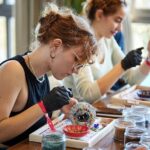
The heart of the workshop is hands-on brewing. You’ll learn traditional Turkish coffee-making techniques using sand and stove methods, with expert guidance in English.
Before you brew, you select from three unique blends tailored to your taste. That choice component matters because Turkish coffee isn’t only about strength—it’s about flavor direction. The class gives you a chance to pick what sounds good to you, rather than being stuck with one option.
During the session, you’ll also hear about coffee in a way that matches the craft. One review mentioned being able to touch, smell, and compare beans before and after roasting. Even if your session doesn’t include the same sensory compare moment, the workshop is clearly designed to make you feel the process, not just watch it.
Then you do the core work: grinding and brewing, typically in the traditional pot style (cezve). That’s where you’ll notice the biggest difference from modern coffee habits. Turkish coffee is brewed slowly and intentionally, and the class structure gives you step-by-step practice rather than throwing you into the deep end.
Sand vs Stove: Why This Combo Is the Smart Version
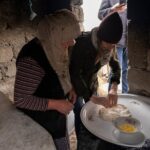
A lot of coffee workshops teach one method. This one explicitly covers both sand and stove brewing. That’s a big deal if your goal is to recreate the drink at home.
Why? Because most people can’t build a proper sand setup in their kitchen. Learning the stove method means you’re not helpless when you return to everyday life. Sand brewing, meanwhile, gives you the authentic Cappadocia-style experience and shows the craft in its most traditional form.
In practice, this also keeps the workshop interesting. You’re not repeating the exact same steps twice with no payoff. You learn the feel of the process in one setting, then compare it in another.
Also, the group size is limited (max 30), which helps instructors keep an eye on how you’re doing things. Reviews repeatedly mention patient teaching and clear instructions, which is exactly what you want if you’re holding a small pot over heat without wanting a kitchen comedy disaster.
Menengiç Coffee and the Decaf-Friendly Options
One of the smartest parts of this workshop for real life is the drink options. The overview calls out Menengiç coffee, described as caffeine-free with a nutty flavor. That’s ideal if you don’t want to lock yourself into caffeine for the rest of the day.
Add to that the fact that at least one instructor (Zehra) offers decaf coffee. So if caffeine is an issue—timing, sleep, anxiety—you still have a path to fully participate.
Some people also mentioned specific flavor experiences. For example, one review singled out a pistachio coffee as delicious. It’s a good reminder that the workshop blends can create variety, so coffee lovers don’t get bored, and non-coffee lovers have an easier time finding something pleasant.
You can also read our reviews of more tours and experiences in Goreme

The Tasting Moment: Treat Pairings and What They Do for the Flavor
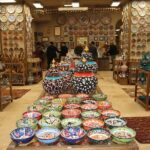
Coffee in Turkey is rarely a solo act. This workshop includes complimentary Turkish treats, which you can pair with what you’re brewing and tasting.
The practical value here is simple: sweets and coffee change the way you perceive bitterness and aroma. When you try the treat alongside the coffee you made, you start understanding what tastes “right” in the Turkish tradition, instead of trying to match the drink to your home habits.
Also, one of the joys of this class is that the tasting is part of the learning loop. You don’t just brew and walk away. You taste, compare, and learn what the cup should feel like.
And yes, the workshop vibe is described as relaxed. One person said it was a great way to wind down, which makes sense for a one-hour format that ends with a small souvenir kit and a fun finale.
Fortune Telling Over Coffee Grounds: The Fun Part With Real Charm
After you make and drink your coffee, the session shifts into fortune telling. This isn’t just random entertainment. It’s presented as a Turkish custom tied to the grounds left in your cup.
Guides such as Ahmed and Eren are mentioned as fortune tellers who make the reading feel personal and engaging. Reviews describe the fortune reading as accurate in their experience, and people also talk about how it lands emotionally—like it hits a real theme for them.
What makes it work is the setting. You’re not being dragged into a staged show. You’re in the same environment where you just brewed your cup, so the “coffee grounds story” feels earned.
If you’re someone who enjoys playful rituals, you’ll probably have a good time. If you’re not into it, it’s still a fun cultural activity, and it doesn’t swallow the whole event. It’s the closing act after you’ve learned something.
The Gift Set: Why It Changes the Value Math
Here’s what makes this workshop feel like a better deal than a lot of coffee experiences: the gift set is part of the package.
You take home:
- a cezve
- a cup set
- ground coffee
That matters because it turns the workshop into something you can repeat. The class isn’t only a souvenir; it’s a starting kit for making Turkish coffee later. One review even mentioned someone returning afterward to buy a similar cup/saucer set because they couldn’t find anything matching in town. The gift set avoids that problem right away.
It also helps you practice the exact brewing you learned, instead of experimenting with generic cookware. You’ll have the right-style pot and the right ground coffee to test your method.
If you love tea and coffee culture, this take-home part is a big plus. If you’re traveling light, you’ll want to consider how fragile the cups are—but at least one review also asked for a sturdier box for transport, so it’s worth thinking about your luggage setup.
How Long It Takes (and How to Plan Your Day)
The official duration is about 1 hour. In the real world, one-hour activities can still feel longer once you add grinding, brewing, tasting, and fortune telling.
So I recommend you build your schedule with calm margins. One review advised not booking anything within a 4-hour window, which is a solid rule of thumb if you want the experience to stay easy. Even if your session runs closer to the official time, you’ll reduce stress if you’re not rushing for the next stop.
This is especially important in Cappadocia, where timing can swing based on other plans (balloon schedules, transfer delays, day trips).
Who This Turkish Coffee Workshop Is Best For
This workshop works for more people than you might expect.
If you’re a coffee lover, you’ll like that you’re learning sand and stove brewing and practicing the process yourself. Reviews call it a must for coffee lovers in Cappadocia, and the hands-on format is clearly the reason.
If you’re not sure about coffee, you still have a way in. Menengiç coffee is caffeine-free and nutty, and some flavors can include options like pistachio coffee. That gives non-coffee people a more welcoming entry point.
If you’re traveling as a couple or family, it also makes sense. The session is described as fun, organized, and friendly for different ages, and the small group feel helps it stay personal.
If you’re short on time, it’s still a good pick. One review said it accommodated a tight schedule with a flight to catch, and they still learned a lot in around an hour.
Price and Value in Cappadocia (Is $28.48 a Good Deal?)
At $28.48 per person, this workshop is priced like an affordable experience—until you look at what you get.
You’re paying for:
- English-led instruction
- hands-on sand and stove brewing practice
- history and cultural context
- complimentary Turkish treats
- fortune telling
- and a take-home gift set: cezve, cup set, and ground coffee
That gift set alone changes the value equation. Instead of paying for entertainment only, you leave with tools you can use. That’s why the experience gets strong praise for value.
Is it worth it if your only goal is a quick coffee break? Probably not. But if you want something interactive, cultural, and practical enough to try again at home, the price feels fair.
Also note: it’s commonly booked ahead (on average about 17 days). If you’re visiting during peak season or traveling with set plans, you’ll do yourself a favor by booking earlier.
My Booking Advice: Should You Do It?
If you want a Cappadocia activity that’s more than sightseeing—something cultural you can actually use at home—this workshop is an easy yes. The combo of sand and stove brewing, choice of blends, Menengiç/caffeine-free options, and the gift set makes it unusually practical for the time it takes.
I’d skip it only if you hate hands-on activities or you’re the type who prefers tours that are mostly visual. This is a do-the-work class, and you’ll get more out of it if you’re willing to participate.
If you’re unsure, here’s the simple decision rule: if you’d rather learn how to make coffee than just drink it once, book this. You’ll leave with a story, a cup you made, and the tools to repeat the craft.
FAQ
Where is the Turkish coffee workshop meeting point in Göreme?
The workshop starts at Gaferli Mahallesi, Müze Cd. No:24, 50180 Göreme/Nevşehir Merkez/Nevşehir, Türkiye. The activity ends back at the meeting point.
How long does the workshop last?
It lasts about 1 hour (approx.).
What language is the workshop offered in?
The workshop is offered in English.
Do I need a paper ticket?
No. You’ll get a mobile ticket.
Is fortune telling included?
Yes. The experience includes fortune telling along with the Turkish coffee workshop.
What coffee options do I get to choose from?
You select from three unique blends tailored to your taste, and there is also caffeine-free Menengiç coffee with a nutty flavor.
What is included in the gift set?
The gift set includes a cezve, a cup set, and ground coffee.
How many people are in a group?
The workshop has a maximum of 30 travelers.
Can I cancel for a full refund?
Yes. Free cancellation is available if you cancel up to 24 hours in advance of the experience start time for a full refund.