REVIEW · AVANOS
Avanos: Pottery Workshop with Clay Making Experience
Book on GetYourGuide →Operated by Ferhat akbaş · Bookable on GetYourGuide
Clay turns into something you can keep in Avanos. This workshop connects Avanos pottery to its Hittite-period roots, then teaches you the craft in plain, practical steps.
What I like most is the way the instructor ties the “why” (tradition and methods) to the “how” (what you do with clay).
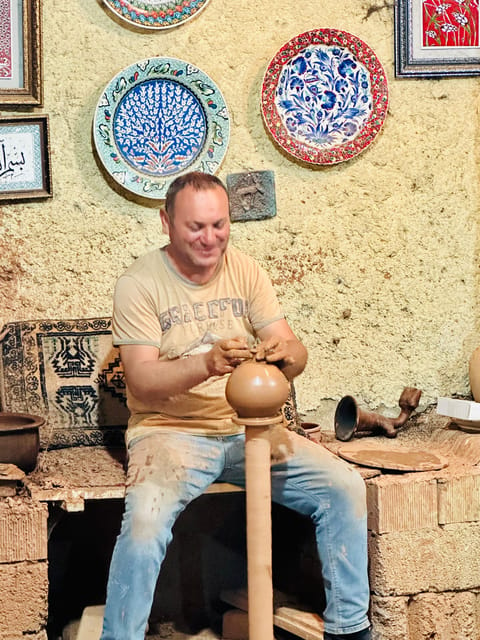
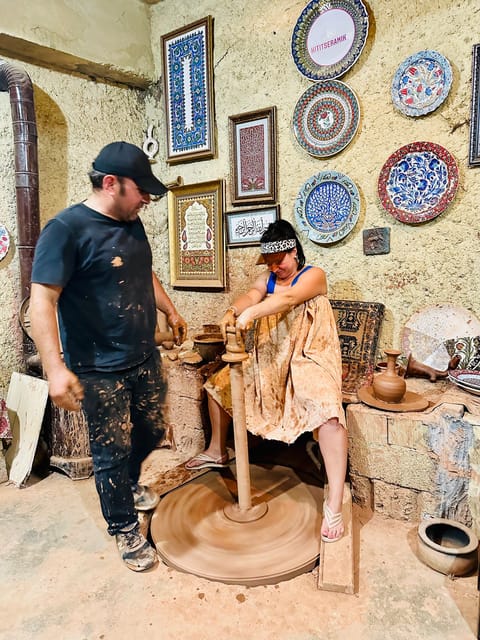
Next, you get hands-on help at the pottery wheel with a local master, with guides like Alper and potters such as Baran and Adil showing you what to do. You’re not left to wrestle the clay on your own; the coaching is hands-on and patient.
One thing to plan for: your pieces are not fired on the day. The workshop provides clay creations you keep, but firing and drying take at least 20 days, so you’ll want to think about timing for drying and packing.
In This Review
- Key points before you go
- Avanos pottery: why this tradition feels real
- The 1.5-hour flow: pickup, wheel time, and a smooth return
- The demonstration and finished pieces: learning by seeing the end
- Making pottery for real: what happens during your wheel session
- Your take-home souvenir: the drying and firing reality check
- Value check: is $22 a good deal for this kind of activity?
- Who this workshop is perfect for (and who should think twice)
- Should you book this Avanos pottery workshop
- FAQ
- How long is the pottery workshop?
- What’s included in the price?
- Will the pottery be fired during the workshop?
- Where do pickups happen?
- What languages are offered?
- Do I need to bring anything?
- Can I take my pottery home?
- Is there a cancellation option?
- Is it wheelchair accessible?
Key points before you go
- Hittite-era history explained on-site while you work, not just a lecture
- Master-led wheel time with direct guidance so beginners aren’t stuck
- You take home what you shape (in boxes), even though it won’t be fired yet
- Finished product showcase so you can see where your piece could end up
- Pickup and drop-off across Cappadocia towns for an easy, low-stress day
- Drinks included (tea, apple tea, coffee, soda) during the workshop
Avanos pottery: why this tradition feels real
Avanos sits in Central Anatolia, and it’s known for ceramics that grew into a living tradition. What makes this workshop appealing is that it doesn’t treat pottery like a souvenir factory. You’re taught the craft as a process passed down across generations among local Avanos people.
A big part of the value here is that you learn the story while you’re still holding the material. The experience traces pottery making back to the Hittite period, then connects that long timeline to the steps you do today: shaping clay, refining form, and learning what matters for later stages.
If you like cultural activities where you can point to something tangible at the end, this is that kind of stop. You’ll walk away with more than photos—you’ll have a piece of shaped clay and a clearer sense of how ceramics work in real life.
You can also read our reviews of more tours and experiences in Avanos
The 1.5-hour flow: pickup, wheel time, and a smooth return
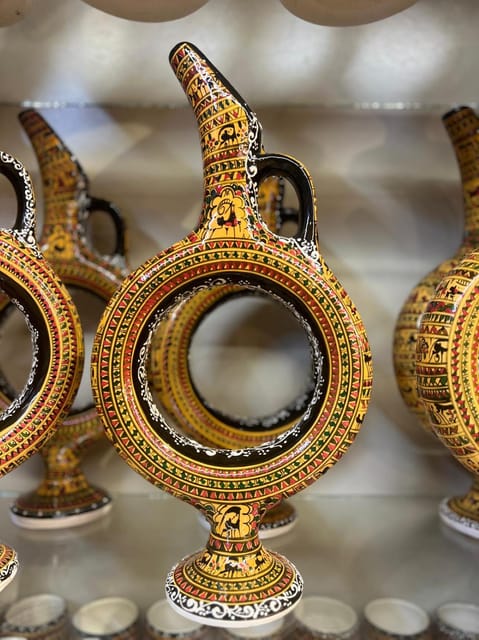
The whole experience runs about 1.5 hours, built for people who want something hands-on without losing a whole day. Your day starts with a pickup option across major Cappadocia bases: Ürgüp, Göreme, Uçhisar, Avanos, and Çavuşin. After pickup, the ride into Avanos is short (about 15 minutes), and you return the same way at the end.
You also get a small comfort boost: you skip the line using a separate entrance. That matters because workshops can otherwise run late when people are waiting around. Here, the flow is designed to get you into the room, get you set up, and start working.
During the session, there’s no awkward “where do I stand?” feeling. You’ll get direction from a host/greeter (English, Russian, Turkish) and then guidance from the master working with your group. Drinks are served as well—tea, apple tea, coffee, or soda—so the early minutes don’t drag.
The biggest practical takeaway: this fits well even on a travel day when you don’t want a long drive or an all-afternoon commitment.
The demonstration and finished pieces: learning by seeing the end
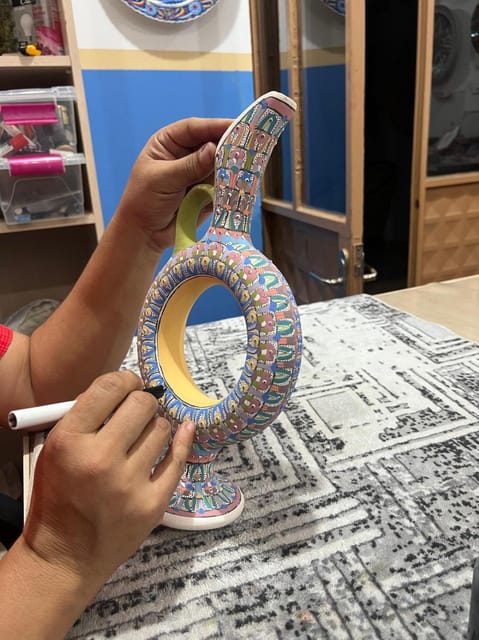
Before you start shaping, you’ll watch a pottery demonstration from a local master. This is not a slow show-and-tell where you get lost in technical talk. The point is to show you the finished products and the steps that lead there, so you can copy the logic when it’s your turn.
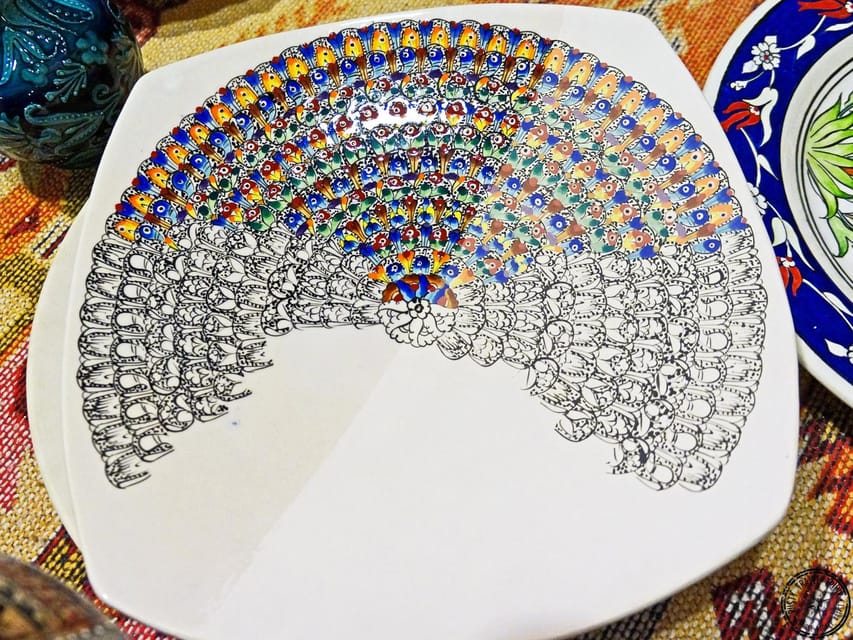
You’ll also see a finished product showcase, which helps you understand what “good” looks like. That matters because pottery isn’t only about getting a nice shape—it’s also about consistency and the way forms hold together.
One practical benefit of seeing finished ceramics first: it helps you manage expectations. If you’re picturing one single style, you’ll quickly realize how much variety comes from the same basic material and techniques. That’s when the workshop turns from a craft class into a mini education about the craft.
Making pottery for real: what happens during your wheel session
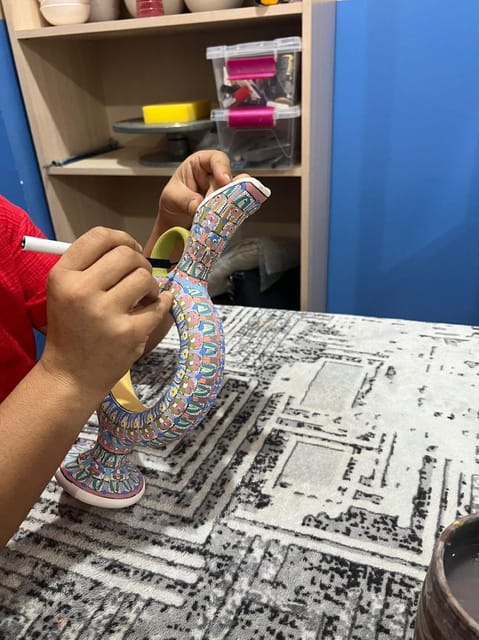
After the demonstration, you shift into hands-on work with help from the master instructor. The core idea is simple: you’re given clay and then guided to shape it, step by step, until you have a piece you’re genuinely proud to take home.
You’ll usually get instruction on:
- how to handle the clay without making a mess you can’t recover from
- how to use the wheel (or at least how to approach wheel work safely and steadily)
- how to refine the form with the master’s corrections
- how to finish your piece so it’s ready for the next stage
The coaching is the big win. Many workshops like this can feel like you’re trying to learn while someone watches. Here, you get hands-on support, with staff described as patient and attentive, including guides such as Alper and masters like Baran and Adil. People also mention guidance that helps prevent the classic beginner problem: lopsided shapes that look more like blobs than bowls.
What to expect in your own attempt: your piece might not be museum-perfect, and that’s okay. The goal is understanding the process, feeling the wheel, and learning what adjustments make the clay behave better.
Your take-home souvenir: the drying and firing reality check
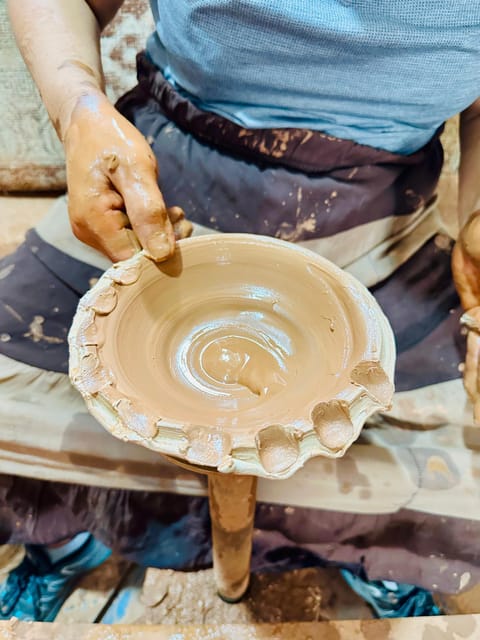
Here’s the part you need to plan around. Your creations are not fired through the workshop process. The activity explains that firing and drying take at least 20 days, so the day you make it isn’t the day it becomes fully finished ceramic.
Instead, you take home your clay creation in boxes. That’s a nice souvenir solution, because you’re leaving with something real—not just a postcard or a photo of someone else’s work. But it also means you should treat your piece like fragile, drying clay during transport and storage.
Some helpful practical tips based on the experience details:
- Keep the box sealed and handle the piece gently.
- Plan time so it can dry properly after you make it.
- If you’re hopping hotels fast, consider leaving enough slack before your next long move. People have noted that the drying time matters for packing.
In plain terms: the workshop delivers the fun part—shaping and creating—and then hands the drying timeline off to you. If you can manage that, the keepsake feels even more meaningful because you were the one who made it.





Value check: is $22 a good deal for this kind of activity?
At $22 per person for about 1.5 hours, this sits in the category of low-cost, high-satisfaction activities. The price makes sense because you’re paying for more than a short demo—you’re paying for master instruction, the wheel session, and the ability to keep what you shape.
The value gets better because of what’s included:
- Pick-up & drop-off from multiple Cappadocia towns
- Drinks (tea, apple tea, coffee, soda)
- Demonstration + finished showcase
- You get to make your own clay piece and take it home
- Skip-the-line entry
That combination is why it feels like a complete experience instead of a rushed craft stop. If pottery is even mildly interesting to you—especially if you like hands-on cultural activities—this is one of those deals where you’ll feel the time was used well.
The only value catch is the drying/firing timeline. If you’re leaving the region immediately and can’t manage drying and packing, you may want to adjust expectations. You still get a keepsake, but you’re not getting a fully fired, glazed ceramic right away.
Who this workshop is perfect for (and who should think twice)
This workshop is a great fit if you:
- want a hands-on cultural activity in Cappadocia
- like practical learning and being guided step-by-step
- enjoy crafts where you can take something home
- want a short indoor-friendly plan when weather is iffy
It’s also a strong choice for first-timers. A repeated theme in the experience is that the master and guides help you avoid the usual beginner frustration, so you don’t need artistic talent.
You might think twice if:
- you want a fully finished, fired, glazed ceramic made that same day
- you’re pressed for time right after the workshop and can’t manage drying and safe packing
- you dislike messy activities (you’ll need to wear clothes that can get dirty)
Should you book this Avanos pottery workshop
If you want a short, structured, master-guided pottery experience with pick-up, drinks, and a true take-home creation, this is an easy yes. The best reason to book is that it combines history + real hands-on work, and you’ll leave with more than a souvenir shop receipt.
Book it especially if you like the idea of learning from a local craft tradition connected to deep roots in Avanos. Just go in knowing that the workshop won’t fire your piece that day, so plan a little time for drying and packing—and you’ll get a keepsake that feels personal rather than generic.
FAQ
How long is the pottery workshop?
It runs about 1.5 hours total.
What’s included in the price?
You get a pottery demonstration, the chance to try pottery making, a finished product showcase, instructions from a master instructor, your own clay creation to keep, drinks (like soda, tea, apple tea, coffee), and pickup & drop-off service.
Will the pottery be fired during the workshop?
No. The workshop notes that firing and drying take at least 20 days, so your piece won’t be fired as part of this activity.
Where do pickups happen?
Pickup options include Ürgüp, Göreme, Uçhisar, Avanos, and Çavuşin. Drop-off locations are also Avanos, Göreme, Uçhisar, Ürgüp, and Çavuşin.
What languages are offered?
The host or greeter works in English, Russian, and Turkish.
Do I need to bring anything?
Wear comfortable clothes that you do not mind getting dirty.
Can I take my pottery home?
Yes. You keep the clay creation you make, and it is provided in boxes.
Is there a cancellation option?
Yes. Free cancellation is available up to 24 hours in advance for a full refund.
Is it wheelchair accessible?
The activity is listed as wheelchair accessible.