REVIEW · GOREME
Whirling Dervish Show
Book on GetYourGuide →Operated by Highline Cappadocia Travel · Bookable on GetYourGuide
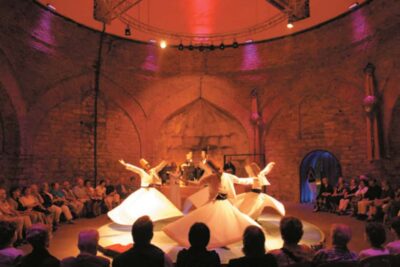
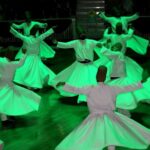
A room full of spinning turns into something calmer. The Whirling Dervish Show is really a Sema meditation worship ceremony, complete with traditional reed instruments, and it’s built around spiritual meaning more than showmanship. I love how the whole thing feels intimate and quietly serious, and I also love that hotel pickup plus an English-speaking driver takes the stress out of getting there. One thing to consider: if you’re expecting a loud entertainment-style performance, the tone here is more devotional than theatrical.
You’ll spend about an hour from pickup to drop-off, watching the dervish movements as stages of a spiritual journey. The story is part of what makes it click, especially the symbolism of the cloak, the white skirt, and the way arms are held at key moments. If you want photos, plan your expectations around the short end-of-ceremony window, since filming rules are strict.
In This Review
- Key things to know before you go
- A Sema ceremony, not a ticket to a typical show
- Understanding the symbolism behind the whirling
- What happens during the hour (and what to look for)
- The reed instruments: why they matter
- The end moment and the photo reality
- Getting there from your hotel: how pickup affects the experience
- Photo rules and audience manners (so you don’t get shut down)
- Price and value: is $49 for one hour fair?
- Who should book the Whirling Dervish Show
- Should you book it?
- FAQ
- Where does the Whirling Dervish Show take place?
- How much does the Whirling Dervish Show cost?
- How long is the experience?
- Is hotel pickup and drop-off included?
- What language is the driver?
- Can I cancel and get a full refund?
- Can I film or take photos during the ceremony?
Key things to know before you go
- Sema is worship first, performance second: it’s designed as a spiritual practice, not a spectacle with a script.
- Symbolism is the main attraction: the movements match the spiritual journey described in the ceremony.
- Traditional reed instruments set the mood: they help keep the experience focused and meditative.
- You’ll likely get only a brief photo/video moment at the end: timing matters.
- Hotel pickup and drop-off are included: you’re not negotiating transport on your own.
- An English driver helps you make sense of logistics: useful when language isn’t your strength.
A Sema ceremony, not a ticket to a typical show
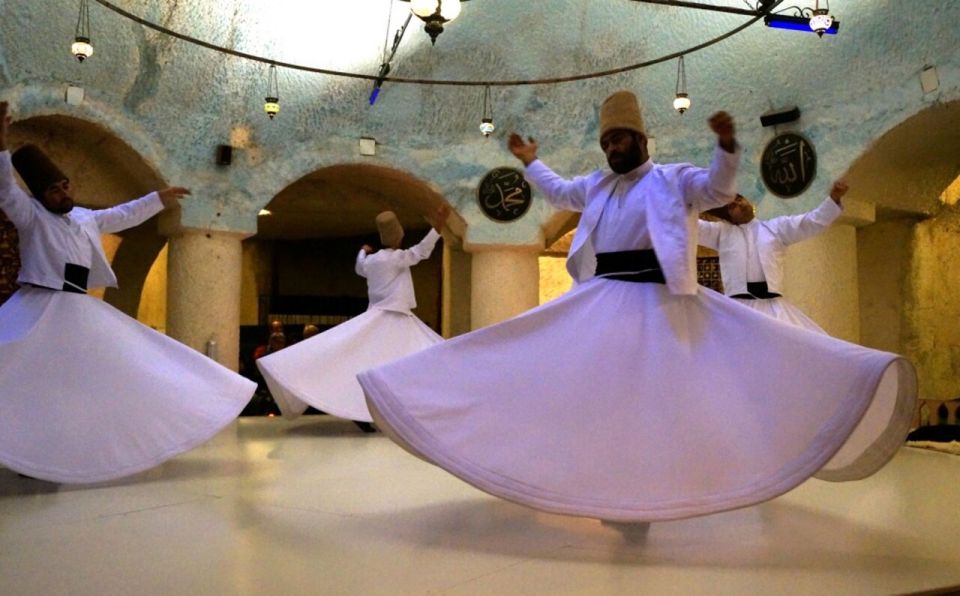
Cappadocia has no shortage of cultural evenings, but the Whirling Dervish ceremony has a different energy. I’d frame it as a moving meditation with a clear structure—people are there to witness something devotional, not just to be entertained. That difference matters because it changes how you should watch. Instead of looking for punchlines or big dramatic cues, you’ll be paying attention to rhythm, posture, and the way the dervish’s actions connect to the ceremony’s message.
I also appreciate how the experience is organized for visitors. Hotel pickup and drop-off mean you don’t have to hunt for a meeting point with limited time. And because an English-speaking driver is part of the plan, you’re less likely to get stuck in the common travel problem of sorting out local logistics at the last second. You still need to show up on time, but you won’t be on your own.
The potential snag is your expectations. This is not a Hollywood-style performance. The ceremony is quiet, repetitive in the best way, and focused on spiritual meaning. If what you really want is a talky, beginner-friendly show with lots of explanations throughout, you might feel a little outside the frame unless you keep the symbolism in mind while you watch.
You can also read our reviews of more tours and experiences in Goreme
Understanding the symbolism behind the whirling
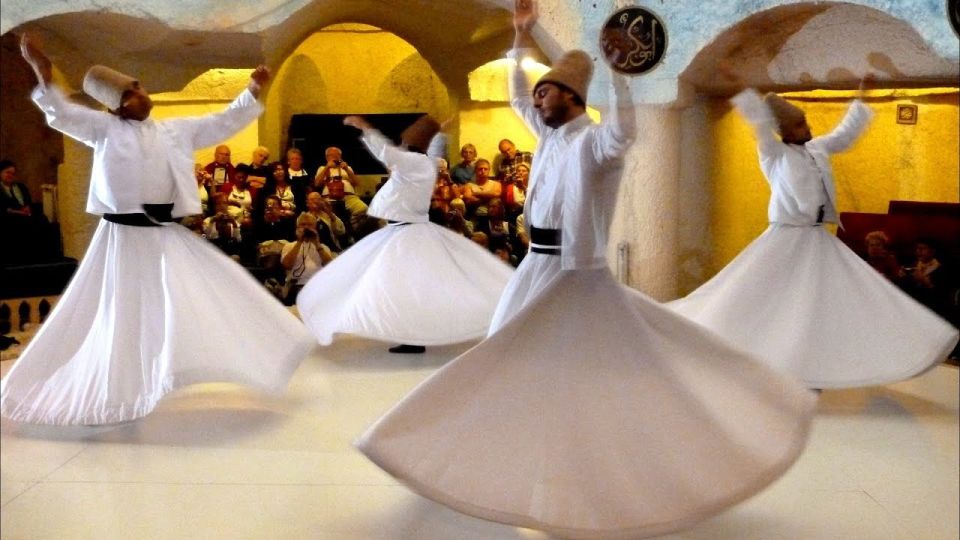
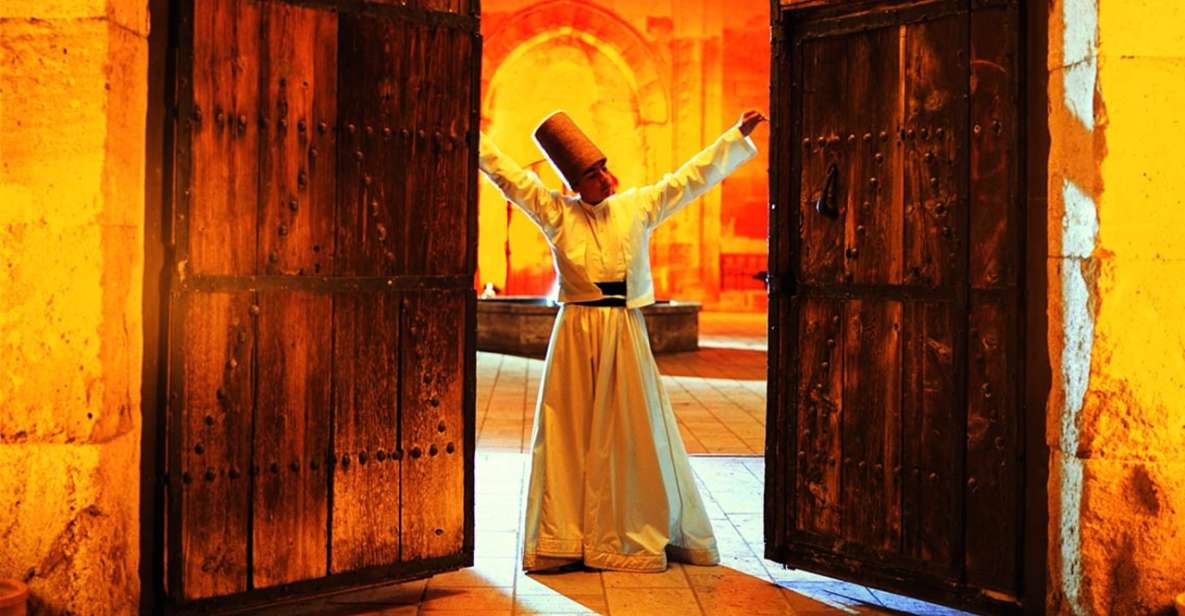
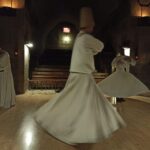
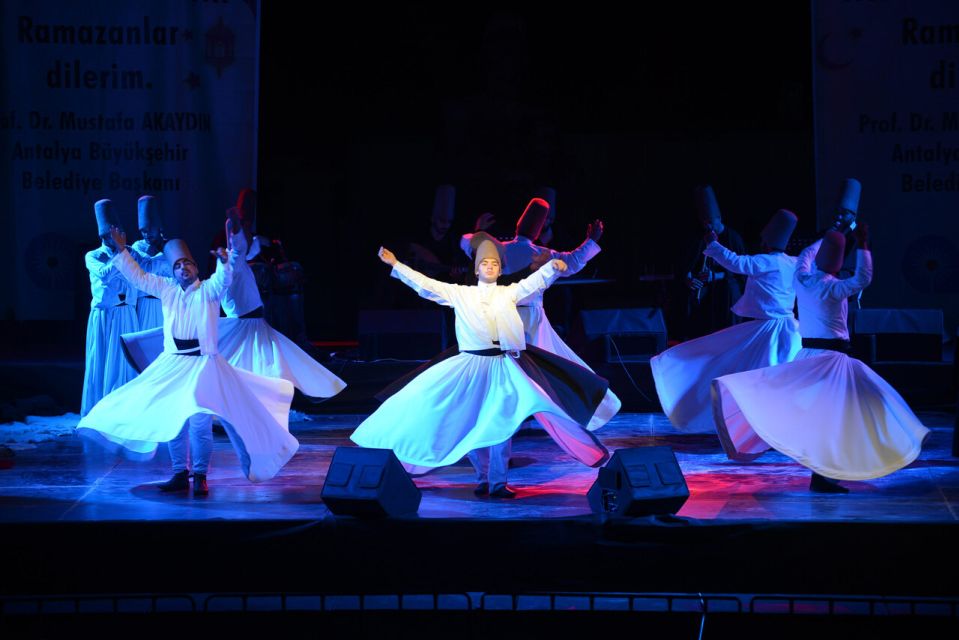
The Sema ceremony is built like a spiritual map. It describes a journey upward through love and the search for truth, then a return—someone who has reached maturity and can love and serve all creatures, regardless of faith, class, or race.
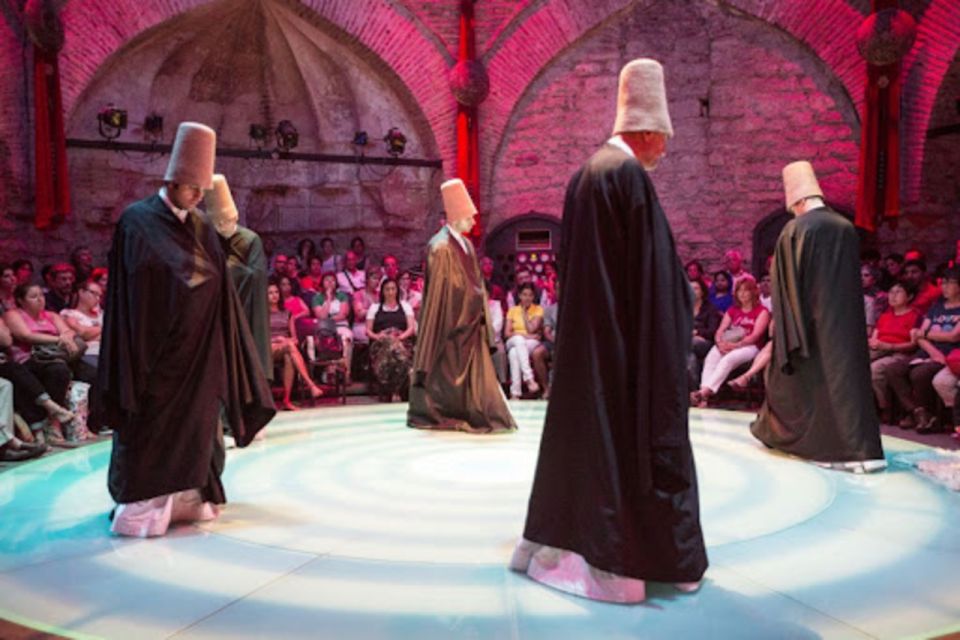
The dervish’s clothing isn’t costume fluff. It’s part of the message:
- The Cappadocia Whirling Dervish Hat is described as the tombstone of the ego.
- The white skirt is described as the cover of the ego.
- The black cloak is taken off as the dervish progresses toward spiritual maturity.
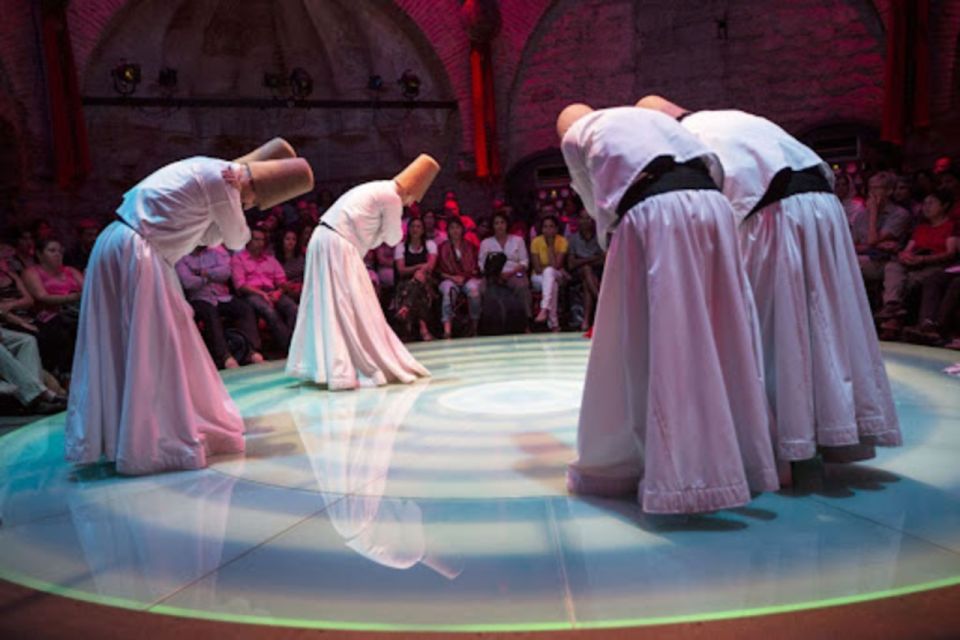
Even if you don’t know much about the tradition, you’ll probably feel it when you see those transitions. The ceremony turns abstract ideas into visible stages. Arms also matter. Early on—and at every stage of the Sema—arms are kept crossed to represent number one and to bear witness to the oneness of Allah.
None of this requires you to convert or memorize theology. It just gives you something solid to notice while you watch. When the ceremony follows that spiritual logic, it’s easier to feel what’s happening rather than just watching spinning as an end result.
What happens during the hour (and what to look for)
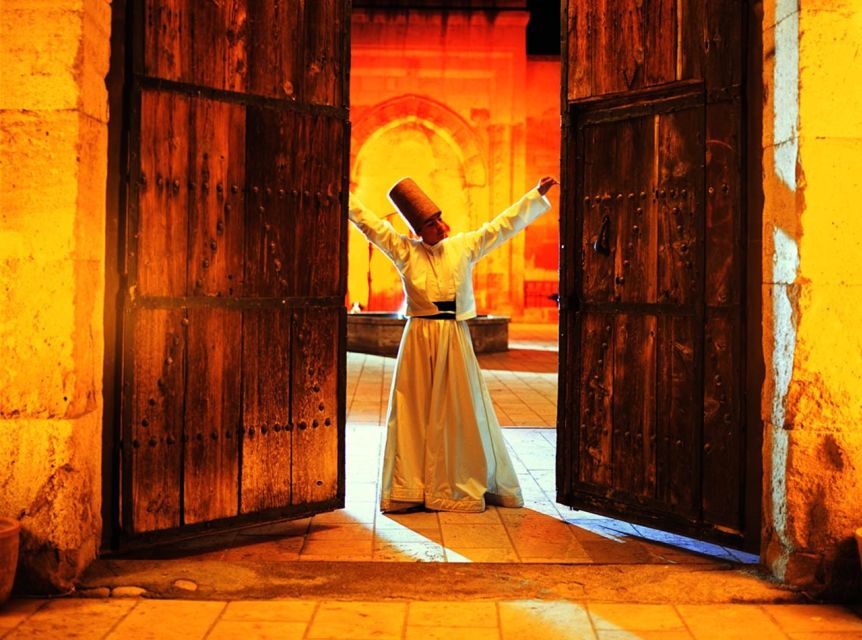
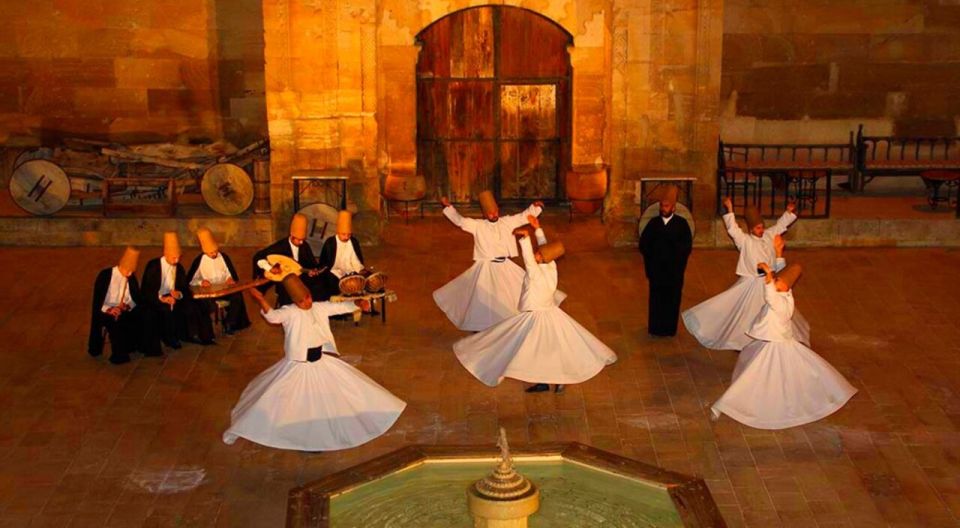
Your total time commitment is about 1 hour, and you’ll be picked up and dropped off from your hotel. Once you arrive at the venue, the ceremony unfolds as a sequence of stages. The biggest “what should I be watching?” is the shift in posture and the way clothing changes signal movement through the spiritual arc.
Here’s how to stay oriented during the ceremony:
- Start with the beginning posture: arms crossed is the first clue that the ritual isn’t random. It marks witness and unity.
- Watch for stage-to-stage progression: the ceremony repeatedly returns to the idea of oneness, while the dervish’s movement evolves.
- Pay attention when the dervish takes off the black cloak: that’s described as a shift from the heavens toward spiritual maturity.
- Stay with the overall pacing: even though people may be spinning, the ceremony is meant to feel controlled and deliberate, like a moving focus.
The reed instruments: why they matter
Traditional reed instruments are part of the ceremony. In practical terms, they help you understand the “beat” of the ritual even if you can’t catch every explanation. You’ll likely notice how the music keeps attention from drifting. It’s one of those small details that makes a big difference when the experience is about staying present rather than consuming it like entertainment.
The end moment and the photo reality
At the end, there’s a short window for images. One review notes filming isn’t allowed, but you can take photos and a short amount of video around 2–3 minutes after the ceremony. Another comment points out that the photo moment can feel short—about 3 minutes—and you may not have enough time to capture everything you want.
So go in with a plan. Decide quickly what you want: a single respectful wide shot, or a few close photos during the short window. If you wait too long, the moment is over before you finish adjusting your camera.




Getting there from your hotel: how pickup affects the experience
This is one of those tours where logistics quietly shape how enjoyable the night feels. Here, hotel pickup and drop-off are included, and a driver who speaks English handles the ride. That matters in Cappadocia because evening outings can turn annoying fast when you’re dealing with unfamiliar streets and limited time.
From my perspective, the best way to make pickup work smoothly is simple:
- Be ready a few minutes early.
- Have your hotel address handy (in case the driver asks).
- Stay flexible if you’re dropped in a nearby spot rather than exactly at your front door.
One review describes being collected from the hotel by bus and then dropped in another direction in Göreme, and the driver was described as very kind. That doesn’t sound like a dealbreaker, but it’s a reminder to keep your bearings once you arrive back. If you’re unsure where you’ll be let off, it’s worth mentally mapping a short walk route from your drop-off point to your hotel.
Also check starting times when you book. The ceremony happens at specific times, and your tour start depends on availability. If you’re juggling dinner plans, don’t schedule anything tight immediately before or after.
Photo rules and audience manners (so you don’t get shut down)
Let’s talk about cameras, because they’re usually the biggest source of stress with religious or ritual performances. Here, filming is restricted, and you’re given a brief chance for photos at the end (about 2–3 minutes). That means your usual strategy—record everything, worry later—won’t work.
Instead, use this approach:
- Treat your phone as a tool, not a distraction.
- Watch the ceremony first, without filming, at least for the opening stages.
- When the end approaches, switch your camera to ready mode so you can act quickly once the photo window starts.
As for audience behavior, the tone is devotional. Keep conversations low, avoid standing in front of seated people, and give the dervish space to move. If you’re respectful, you’ll get the experience you came for: a ceremony you can actually witness, not one you disrupt.
Price and value: is $49 for one hour fair?
At $49 per person for about 1 hour, the price isn’t just for sitting and watching. You’re also paying for the included hotel pickup and drop-off plus an English driver. That combination is where the value usually shows up—less time negotiating transport, less time worrying about timing, more time being present.
Is $49 cheap? It depends on your priorities. But for many people in Cappadocia, evening culture with transport included can be a better deal than paying separately for taxis or scrambling with last-minute rides. The ceremony itself is also distinct from a typical “tour show” because it’s a real worship ceremony with spiritual symbolism. If you care about that difference, the price-to-meaning ratio often feels right.
On the other hand, if your main goal is photos, and you’re disappointed by the short photo moment and strict filming limits, you might feel like you paid more for less “content.” That’s not a problem with the ceremony—it’s a mismatch in expectations. So decide what you want from the night: witnessing a structured spiritual ritual, or collecting lots of footage.
Who should book the Whirling Dervish Show
This experience fits best if you’re the kind of traveler who likes context. If you enjoy understanding what you’re seeing—why the arms are held a certain way, what the clothing symbolizes—this ceremony will reward you. It’s also a strong pick if you want a calm cultural night in Cappadocia, rather than another meal-and-a-crowd kind of activity.
You’ll probably enjoy it even more if:
- you’re curious about religion and symbolism in real-life practice
- you’d rather have transport handled than navigate on your own
- you prefer intimate venues and a more atmospheric setting
It’s less ideal if:
- you expect commentary throughout
- you need lots of filming time
- you want something more upbeat and entertainment-first
Should you book it?
Book it if you want a short, organized, and meaningful ritual experience in Central Anatolia, with the convenience of hotel pickup and drop-off and an English-speaking driver. It’s especially worth it when you like ceremonies that run on symbolism rather than scripted theatrics.
Skip it only if your heart is set on a modern performance format with long photo/video access. The ceremony is devotional, and the photography window is brief, so you’ll enjoy it more if you’re comfortable watching first and recording second.
If you can match the tone—quiet, attentive, and respectful—this is exactly the kind of evening that makes a trip feel more human.
FAQ
Where does the Whirling Dervish Show take place?
It’s located in Central Anatolia, Turkey.
How much does the Whirling Dervish Show cost?
The price is $49 per person.
How long is the experience?
The duration is 1 hour.
Is hotel pickup and drop-off included?
Yes. Hotel pick-up and drop-off are included.
What language is the driver?
The driver speaks English.
Can I cancel and get a full refund?
Yes. Free cancellation is available up to 24 hours in advance for a full refund.
Can I film or take photos during the ceremony?
Filming is not allowed, but you can take photos. There is also a short photo/video moment at the end of the ceremony (around 2–3 minutes).