REVIEW · GOREME
Undiscovered Cappadocia Tour by Cappadocian Guide
Book on Viator →Operated by Cappadocian Guide · Bookable on Viator
Cappadocia, but with fewer crowds. This private tour is built for comfort and explanation, with hotel pickup from anywhere in Cappadocia and a private guide who keeps the day human-scale instead of just herding you from stop to stop. I also like that the route mixes rock-cut sites, valleys, and everyday village life, so you get the full Cappadocia story in one long outing.
The trade-off is that it’s a busy day. You’ll do some walking, including about 500 meters to reach Keşlik Monastery and roughly a 2 km valley walk in Soganli, so plan for your feet.
In This Review
- Key things I’d pin to the top of your plan
- Private guide day in Göreme: what makes this tour feel different
- Starting easy: pickup, comfort, and how the day runs
- Ortahisar Kalesi: castle views, cave houses, and Roman tomb photos
- Gomeda Vadisi area: Mustafapaşa houses and Sinasos connections
- Keşlik Monastery walk: cave churches, baptism pool, and refectory spaces
- Taşkınpaşa Cami and the Armenian village chapter
- Sobesos Ancient City: Roman ruins, mosaics, and ongoing excavations
- Soganli Valley: lunch plus a 2 km walk through conical graves turned churches
- Kaymaklı Underground City: one of the best-planned networks
- Pigeon Valley at sunset-ish time: viewpoints and the Big Blue eyes trees
- Price and value: what $132.32 buys you in a full day
- Who should book this tour (and who might not)
- Should you book Undiscovered Cappadocia Tour?
- FAQ
- Is pickup included?
- How long is the tour?
- Is lunch included?
- What language is the tour offered in?
- Is the tour private?
- Are admission tickets included?
- Is there walking involved?
- Is coffee or tea included with lunch?
- What happens if the weather is poor?
- Is there free cancellation?
Key things I’d pin to the top of your plan
- Pickup and drop-off from any hotel in Cappadocia with no extra charge
- Air-conditioned transport so the long drive days stay bearable
- A guide with real personality, with names like Tuğba and Emre showing up in past groups for friendly, clear explanations
- Lunch is included, plus several attractions have entry tickets included
- Big variety of terrain, from castle lookouts to underground tunnels and pigeon viewpoints
Private guide day in Göreme: what makes this tour feel different
This tour is “private” in a meaningful way. You’re not stuck waiting for a parade of strangers, and you’re more likely to get the kind of pacing that lets you actually look at what’s in front of you. If you like history explained in normal language, you’ll appreciate the guide time at every stop—especially when the guide is the type who enjoys questions and keeps the vibe upbeat (Tuğba and Emre are examples of guide energy people remember).
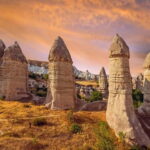
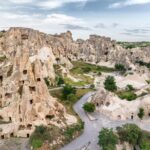
The theme here is Cappadocia beyond the obvious photo spots. Yes, you’ll get viewpoints, but the itinerary also leans into the rock architecture, religious sites, and the way different communities lived side by side over centuries.
You can also read our reviews of more guided tours in Goreme
Starting easy: pickup, comfort, and how the day runs
Pickup is offered from your hotel anywhere in Cappadocia, and you’ll be dropped back without extra charges. That matters. In Göreme and nearby towns, saving even one transfer day (or one taxi run) can turn a stressful schedule into a calm one.
You’ll ride in an air-conditioned vehicle. For a region where the temperature can swing, that’s not a luxury. It’s how you keep energy for the walking and cave interiors.
One practical note: this is an 6 to 10 hour day on average, and the stops are frequent. That’s great if you want value per day. If you’re the type who needs lots of downtime, this might feel fast—plan your rest window on either side.
Ortahisar Kalesi: castle views, cave houses, and Roman tomb photos
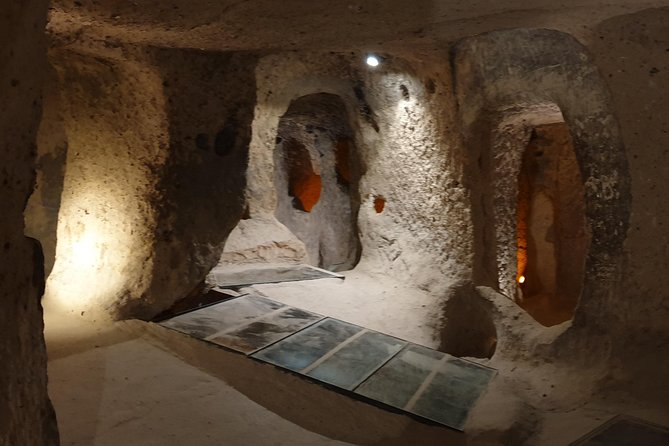
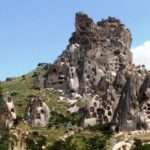
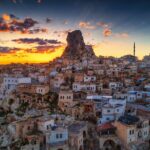
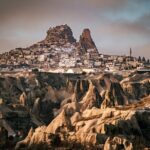
Stop 1 is Ortahisar Kalesi, with a ticket included and a short visit (about 15 minutes). Ortahisar is famous for a tall rock formation that acted as a watchtower. The interesting part isn’t only the view—it’s the way the rock and the settlement evolved together.
You’ll also hear about early human life dating back about 8,000 B.C., plus the cave houses connected by underground tunnels. That’s one of Cappadocia’s key ideas: people built vertically into the rock, and they also connected spaces beneath the surface. It’s easier to understand after you stand near a site like this.
The stop also includes a photo opportunity of monumental tombs from the Early Roman Period. If your camera roll is all about stone and angles, this is a good opener. If you want one “wow, wow” moment early in the day, this delivers.
Gomeda Vadisi area: Mustafapaşa houses and Sinasos connections
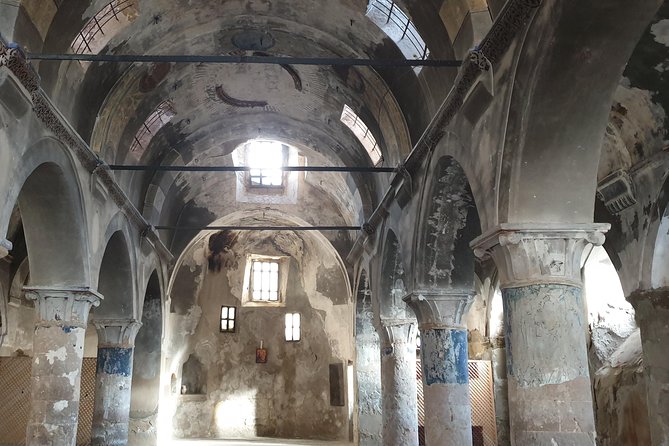
Stop 2 is in the Mustafapaşa / Sinasos orbit, with about 30 minutes on the ground. Admission is free here, so you’re mostly paying with time (which is fine, because this stop is about atmosphere).
Mustafapaşa is known for older Greek houses, dating to the end of the 18th century. You’re not just looking at facades—you’re seeing how fine stonework and timberwork show up in real domestic buildings. It’s the kind of craft that feels invisible on postcards.
Then there’s Sinasos mentioned in this same stop flow: an Ottoman medrese (university) and a monumental gate. The point isn’t just “more buildings.” It’s the bigger theme of the region—how Christians and Muslims lived close by, including in houses that sit side by side.
This stop can be especially good if you like villages more than monuments. If you mostly want big dramatic cave churches and underground rooms, you might treat this as a visual breather before the more intense sites later.
Keşlik Monastery walk: cave churches, baptism pool, and refectory spaces
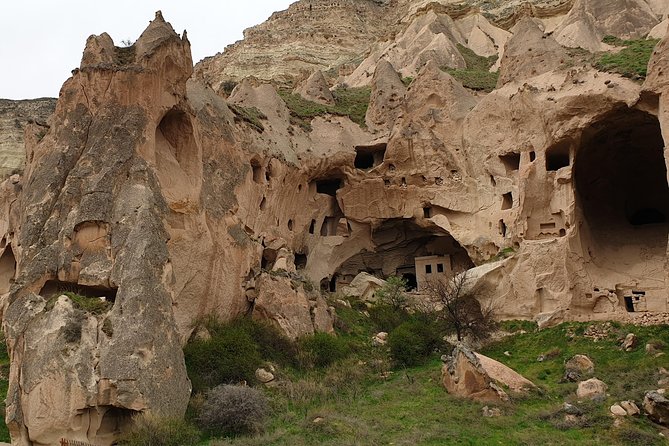
Stop 3 is Keşlik Monastery, and it’s one of the itinerary moments that feels like a mini adventure. You drive to the area, then walk about 500 meters through an untouched valley to reach the monastery.
Admission is included, and your time on site is about 45 minutes.
What you’ll be looking for:
- the Archangel Church
- St. Stefanos Church
- a baptism pool
- the largest dining room and the refectory
- other cave complexes used by monks
This is the kind of stop where the guide makes a difference. Cave monasteries can look similar at first glance, but descriptions like which spaces were used for communal life help you see it as more than a carved room.
A small drawback: because you’re doing a short walk on the way in, comfortable shoes matter. Also, keep an eye on the light level inside cave spaces—some interiors can be dim, so a phone flashlight can help without being a distraction.



Taşkınpaşa Cami and the Armenian village chapter
Stop 4 takes you to Taşkınpaşa Cami, with admission included and about 30 minutes.
This part of the tour is focused on the Armenian village of Cemil (and nearby local Armenian houses). You’ll get a sense of how people lived, not just how places were used. Then you’ll visit the most famous Armenian church in Cappadocia here, noted as abandoned in 1924.
That date matters because it gives the visit emotional weight. Even if you’re not chasing every historical detail, it helps to frame the architecture in time—why buildings got left behind, and how culture leaves marks even when communities change.
If you’re the type who likes cultural context and careful storytelling, this stop will land well. If you prefer purely physical sites with big panoramic views, you might find it quieter than the underground-city segment that comes later.
Sobesos Ancient City: Roman ruins, mosaics, and ongoing excavations
Stop 5 is Sobesos Ancient City, about 30 minutes, and admission is free.
Sobesos is described as a Roman settlement founded by Roman traders in the first century. The ruins include ground mosaics, which can be surprisingly detailed when you catch them at the right angle.
There’s also a modern discovery story here: the site was discovered accidentally in 2004, and excavations are still in progress. That makes the visit feel a bit current—you’re not only seeing “museum artifacts,” you’re seeing a living archaeological project in motion.
This stop is a good fit if you like textures—stone floors, patterns, and remnants that feel grounded rather than theatrical. If you want only the most famous Cappadocia sights, Sobesos may feel less flashy. But it’s a nice mid-day palate cleanser before lunch and the longer walks in the valleys.
Soganli Valley: lunch plus a 2 km walk through conical graves turned churches
Stop 6 is where the day gets both tasty and active. You drive to Soganli Valley and break for lunch.
Lunch is included, and the meal is described as organic vegetables, honey, homemade cheese and butter, and a Cappadocian style cooked lamb. You’ll want to arrive hungry for this part. It’s not a quick snack; it’s a real part of the day’s value.
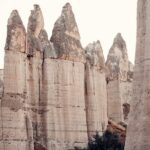
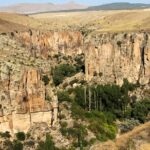
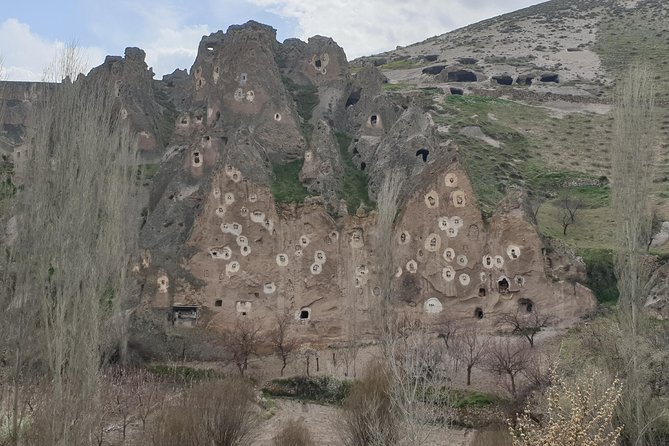
After lunch, you walk about 2 km in the valley and visit conical rock formation graves from the Roman period. Then comes the Byzantine transformation: these graves were later turned into churches, including Dommed Church and Hidden Church, plus the best picture points of the largest canyon of the region.
There’s also a functional layer that makes this valley more than scenery: Soganli Valley was described as an important organic fertilizer trading center with pigeon houses until the 1980s. That connects directly to the pigeon theme you see later in Pigeon Valley.
This stop’s drawback is straightforward: it’s the longest walk segment on the itinerary besides the earlier valley trek. If you’re carrying a day bag, keep it light, and plan for water. Also, after lunch, walking time + cave steps + uneven rock can add up, so go steady.
Kaymaklı Underground City: one of the best-planned networks
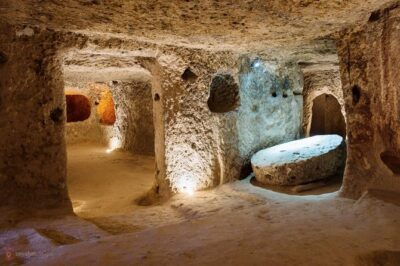
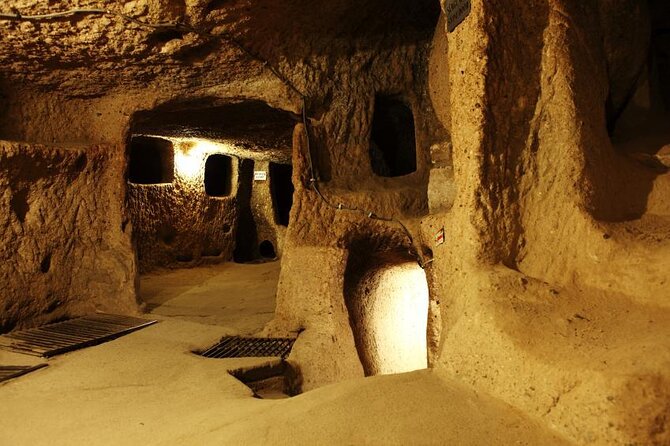
Stop 7 is Kaymaklı Underground City, with admission included and about 1 hour.
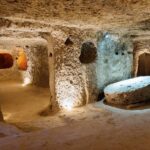
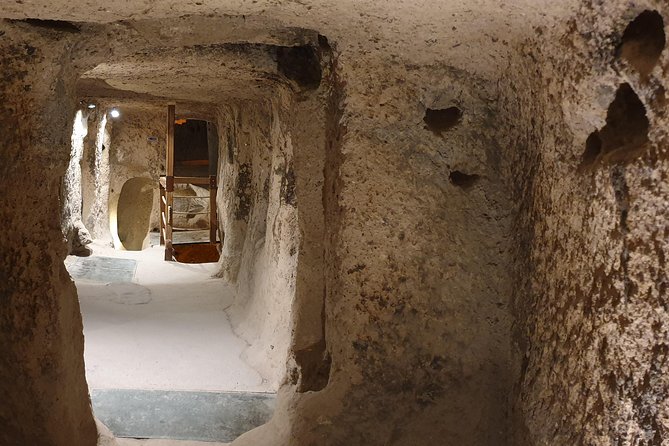
Underground cities are one of Cappadocia’s defining features because the region saw frequent raids, so people built subterranean living spaces. Kaymaklı is described as one of the best planned and preserved underground cities in the area.
Even in an hour, you’ll likely notice the logic: multiple rooms, interconnected routes, and how the space supports daily life underground—not just a hide-and-run tunnel. The guide’s explanation helps you connect the dots between defense and habit.
A practical consideration: underground spaces can feel cool and enclosed. If you’re claustrophobic, you’ll want to take it slow and ask the guide where the broader areas are. If you’re comfortable underground, this is a highlight.
Pigeon Valley at sunset-ish time: viewpoints and the Big Blue eyes trees
Stop 8 is Pigeon Valley, around the end of the day, with about 15 minutes and free admission.
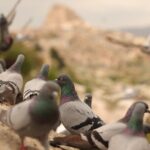
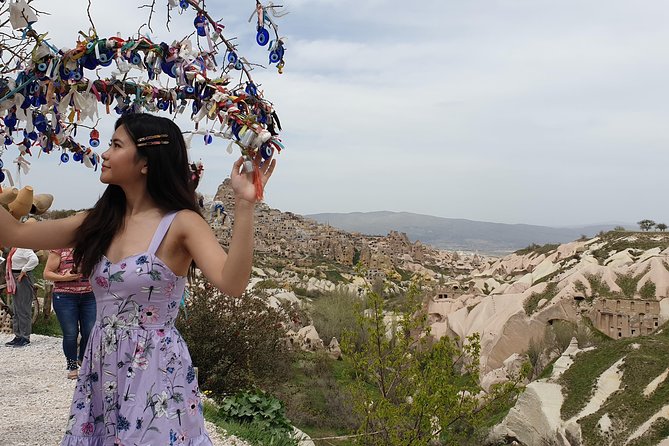
Here you’re mainly there for the view and the theme payoff. You’ll get a birds-eye view of Cappadocia, plus mentions of the Big Blue eyes trees that are famous on Instagram. You’ll also see 3-4 floor pigeon houses and learn why they were so prolific and what purpose they served for the inhabitants.
This stop is short on paper, but it often feels long emotionally because it wraps up the day’s story: early defensive living underground, communal cave life in monasteries, and then the farming and trade systems that kept communities running above and below ground.
If you’re tired from the walking, this is the kind of stop where you can catch the scenery and then move on without needing to linger for hours.
Price and value: what $132.32 buys you in a full day
At about $132.32 per person for a private, English-led day with air-conditioned transport, lunch, and multiple included admissions, the value is in the combination—not just the single price number.
Here’s why it can feel like good value:
- Lunch is included, and it’s not presented as an add-on
- Several attraction entries are included, while other stops are free
- You’re paying for a guide-led day rather than self-driving and guessing timing
- Pickup and drop-off from any hotel in Cappadocia keeps logistics simple
Could it be expensive for solo travelers? Possibly, but that private format usually helps justify it when you consider the time saved and the guided context you get at each stop. Also, there are group discounts mentioned, which can help if you’re traveling with friends.
If you’re comparing against budget tours, the practical difference is pacing and attention. If you’re comparing against high-end private tours, this one often looks attractive because admissions and lunch are built in.
Who should book this tour (and who might not)
This tour fits you if:
- You want a private guide day but still want a full list of sites
- You enjoy cave monasteries, underground living spaces, and village architecture
- You like learning the why behind the rock-cut spaces
- You want one trip that covers castle views, Roman and Byzantine layers, and pigeon culture
You might skip it if:
- You don’t do well with walking (there’s a 500-meter walk to Keşlik Monastery and a 2 km walk in Soganli Valley)
- You want a very relaxed, slow day with lots of downtime
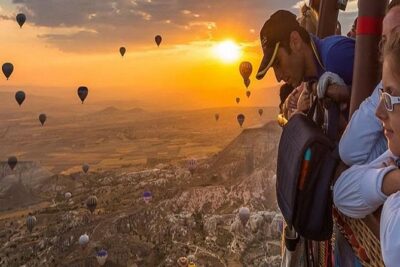
- You only care about the most famous balloon-view viewpoints and nothing else
Should you book Undiscovered Cappadocia Tour?
If your goal is a real Cappadocia sampler with guided context, included lunch, and multiple entry tickets, I’d book it. The route gives you texture: tunnels, cave churches, Armenian cultural layers, Roman mosaics, and underground defense stories, then it closes with pigeon-house viewpoints that tie the whole day together.
Book it especially if you’re traveling in a group that wants private attention but doesn’t want to pay for a fully bespoke itinerary. And if you do book, pack comfy shoes and keep your expectations clear: this is not a sit-on-a-terrace-only day.
FAQ
Is pickup included?
Yes. The tour offers pickup from any hotel in Cappadocia, and you’ll also be dropped back at the end of the tour without extra charge.
How long is the tour?
It runs about 6 to 10 hours.
Is lunch included?
Yes. Lunch is included in the tour.
What language is the tour offered in?
The tour is offered in English.
Is the tour private?
Yes. It’s a private tour/activity, and only your group participates.
Are admission tickets included?
Admission is included for several stops, and some stops are free. For example, Ortahisar Kalesi, Keşlik Monastery, Taşkınpaşa Cami, Soganli Valley, and Kaymaklı Underground City are listed as admission included, while Gomeda Vadisi, Sobesos Ancient City, and Pigeon Valley are listed as free.
Is there walking involved?
Yes. You’ll walk about 500 meters to Keşlik Monastery and about 2 km in Soganli Valley.
Is coffee or tea included with lunch?
No. Coffee and/or tea beverages are not included.
What happens if the weather is poor?
This experience requires good weather. If it’s canceled due to poor weather, you’ll be offered a different date or a full refund.
Is there free cancellation?
Yes. You can cancel up to 24 hours in advance for a full refund.