REVIEW · GOREME
Göreme: The Original Dervish Ritual in Konya or Cappadocia
Book on GetYourGuide →Operated by Paphlagonia Tour Travel Agency · Bookable on GetYourGuide
Whirling has a real-world rhythm. This tour brings you to Mevlana Art Center in Konya or the Saruhan Kervansaray in Cappadocia, where real dervishes perform daily-style rituals in historic settings.
I love how the experience feels built around the ceremony, not the crowd. I also love the flow: reed music and drum start the proceedings, then the whirling section follows, so you’re not left guessing what comes next.
One key consideration: photography rules are strict, including no cameras or recording during the ceremony, and explanations may be limited depending on the language support you get.
In This Review
- Key highlights to know before you go
- Göreme and Konya’s dervish ritual: what makes this different
- Picking Konya’s Şeb-i Arus or Cappadocia’s Saruhan ceremony
- Hotel pickup and timing: the schedule that can make or break it
- The transfer and the Saruhan Kervansaray stop (1.5 hours of real structure)
- Walking into the ceremony: what you’ll actually see
- Photography and recording rules: bring your camera, but use it wisely
- The language factor: when explanation helps and when it doesn’t
- The price and value: is $50 a fair deal?
- Who this tour fits best (and who should think twice)
- Should you book this Original Dervish Ritual experience?
- FAQ
- FAQ
- Where does the dervish ceremony take place?
- What is the duration of the experience?
- How much does it cost?
- Does the tour include hotel pickup and drop-off?
- How early do they pick you up?
- What is included in the ticket price?
- Is food or drinks included?
- Are cameras or recording allowed?
- Is this tour suitable for everyone?
Key highlights to know before you go
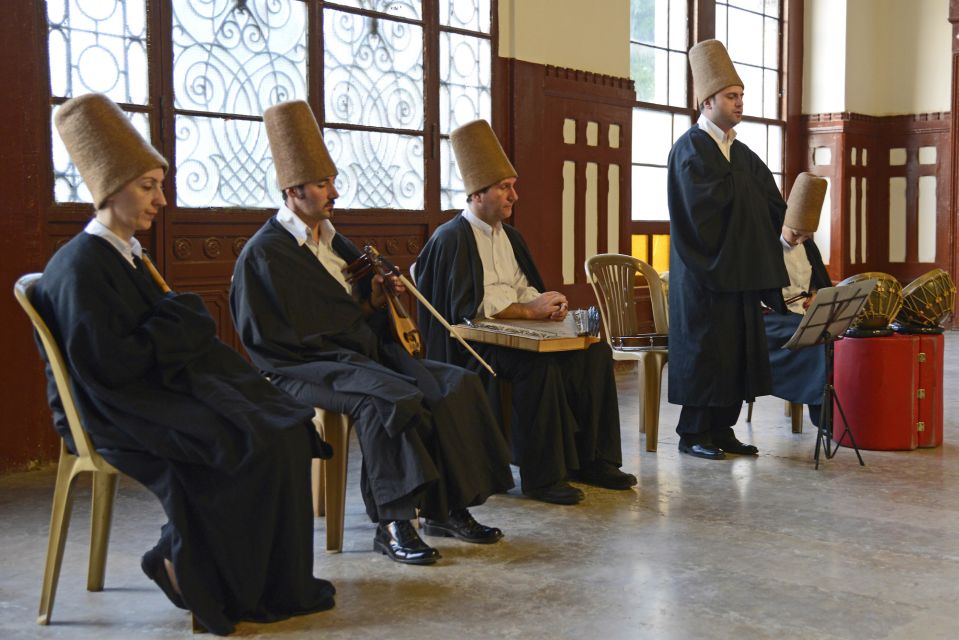
- Konya’s Şeb-i Arus (Mevlana’s anniversary) season runs in early/mid December 2024, with ceremonies tied to Mevlana Celaleddin Rumi
- Two venue options with very different textures: Mevlana Art Center in Konya or the 12th-century Saruhan Kervansaray in Cappadocia
- Saruhan Caravanserai visit is not a drive-by: you get a photo stop plus a guided tour lasting about 1.5 hours
- Music and timing do a lot of the explaining: reed music and drum lead into prayer and the whirling segment
- No recording during the ritual with a short photo opportunity after the ceremony
- Hotel pickup across multiple towns helps you avoid the stress of figuring out transport on your own
Göreme and Konya’s dervish ritual: what makes this different
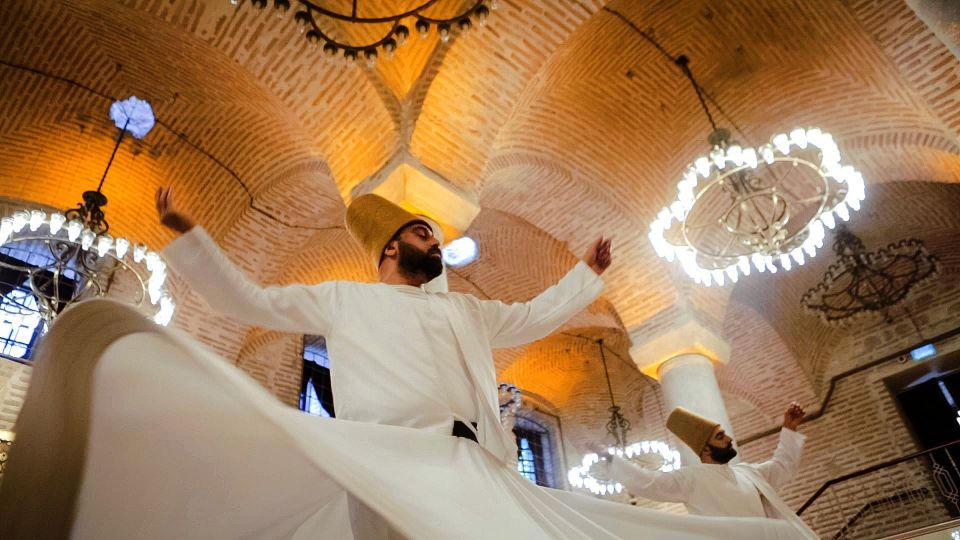
This is one of those experiences where the setting does half the work. Instead of a twirling show tucked into a restaurant, you’re heading to places built for ritual life: Konya’s Mevlana Art Center or Cappadocia’s historic Saruhan Kervansaray, dating to the 12th century.
I like that the whole format has intention. You’re not just watching movement—you’re seeing a ceremony that’s meant to be lived daily by the dervishes, with prayer and music leading into the whirling part.
You also get a guide layer, at least with the Cappadocia-style option. A specialist guide is there to help you understand what you’re seeing, which matters because this isn’t a circus routine. It’s spiritual practice, and the details are part of the meaning.
The final thing that makes this worthwhile is control of expectations. You’ll know the boundaries up front: camera and recording restrictions during the ceremony, a defined ceremony sequence, and a return drive back to your hotel afterward.
You can also read our reviews of more tours and experiences in Goreme.

Picking Konya’s Şeb-i Arus or Cappadocia’s Saruhan ceremony
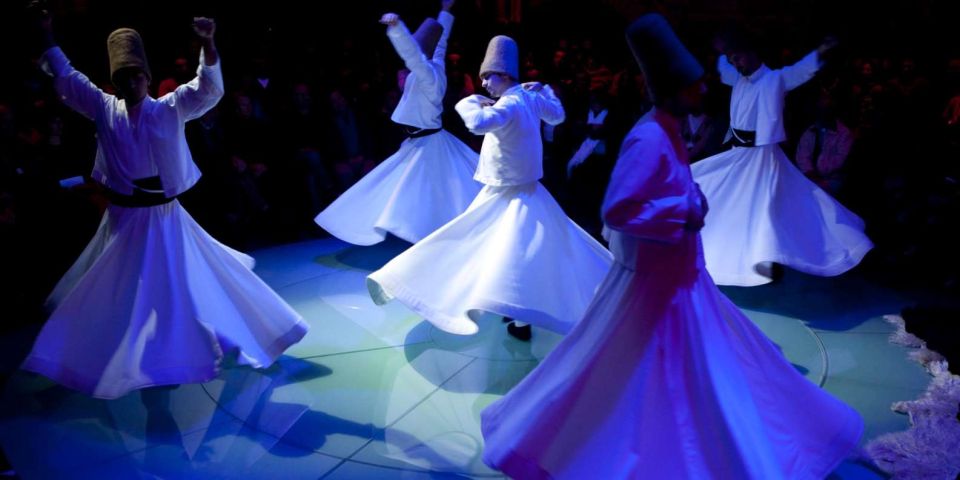
You have two ways to experience this: the big Konya ceremony (Şeb-i Arus) or a Cappadocia ceremony in Saruhan Kervansaray.
If you’re aiming for Konya’s program, it’s tied to Şeb-i Arus and Mevlana Celaleddin Rumi’s death anniversary. In 2024, those commemorations are scheduled between 07–17 December, and the experience is presented as a special concert and grand ceremony prepared by real dervishes under the Konya Mevlana Association.
If you choose the Cappadocia option, the focus is on an authentic dervish ceremony in the Saruhan Caravanserai. The vibe here tends to feel more like you’ve stepped into an old stone world—less like a modern venue, more like a historic stage built for silence, music, and ritual.
Here’s the practical difference for you:
- Konya’s option is ideal if you want the headline anniversary celebration and don’t mind longer lead time in your day.
- Cappadocia’s option is ideal if you want the ceremony closer to where you’re staying, with the added bonus of a guided visit to a major caravanserai.
Hotel pickup and timing: the schedule that can make or break it
Logistics are a real part of value here because pickup is included, and the ceremony itself has a clear start time.
The tour offers multiple pickup points, including Konya, Çavuşin, Uçhisar, Göreme, and Ortahisar. If you’re picked up, you’ll want to be ready in the lobby about 5 minutes early.
Timing depends on where you’re picked up from:
- If you pick Cappadocia, pickup is at least 4 hours before the ceremony.
- If you pick Konya, pickup is about 1.5 hours before.
So if you’re the type of traveler who hates long wait blocks, pick your location carefully. The Cappadocia pickup option can mean a longer day, even if the actual ceremony portion isn’t that long.
The transfer and the Saruhan Kervansaray stop (1.5 hours of real structure)
One of the smartest parts of this experience is the built-in break for something tangible: Saruhan Kervansaray.
On the route, you’ll have a short transfer segment, then you’ll reach Saruhan for:
- a photo stop
- a visit
- a guided tour lasting about 1.5 hours
This matters because caravanserais aren’t just pretty buildings. They were designed for rest, assembly, and transit—exactly the kind of place where ritual culture can feel at home. You’re not only arriving for the ceremony; you’re also seeing why this region’s stone architecture still holds meaning.
The main downside is time. If you already feel like you’re “seeing Cappadocia all day,” adding 1.5 hours can feel like one more stop. But if you care about atmosphere and context, Saruhan is one of the best places to spend time while you’re waiting for the ceremony portion to begin.
Walking into the ceremony: what you’ll actually see
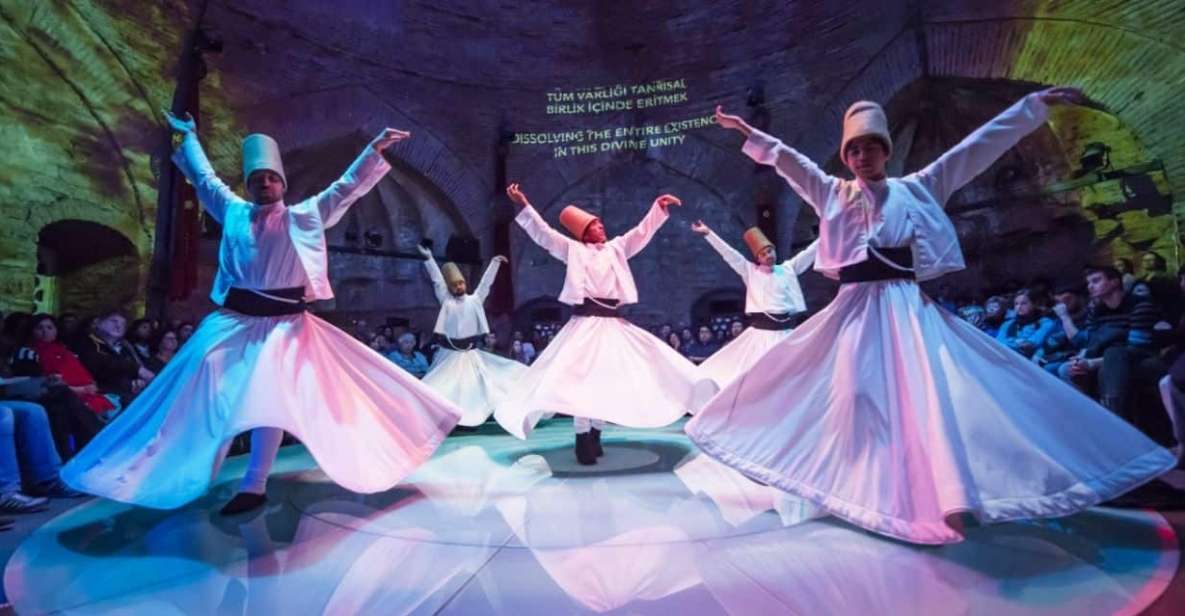
Before the whirling starts, the ceremony opens with music and prayer. Expect reed music and drum at the beginning, then the dervishes shift into the prayer part of the program before the whirling segment begins.
The whirling itself is the headliner, but it lands best when you let it unfold in order. If you try to jump ahead mentally—What comes next?—you’ll miss the slow ramp-up that makes the ritual feel hypnotic rather than chaotic.
You may also receive a small booklet to help you interpret what you’re watching. Even a short guide like this can make the experience click, especially if you’re unfamiliar with the symbolism behind the sequence.


Photography and recording rules: bring your camera, but use it wisely
This is the part you need to plan for. Photography and recording are restricted:
- Cameras are not allowed
- Professional cameras are not allowed
- Video recording is not allowed
- Photography inside is not allowed
- Audio recording is not allowed
That said, there’s a key practical detail you can use: after the ceremony is complete, there’s a short end moment where photos and video are permitted. So the right move is to keep your camera packed and follow the staff instructions during the ceremony, then be ready at the end when the rules loosen.
If you’re the kind of traveler who’s okay with rules as part of the setting, this won’t bother you. If you need constant phone photos for peace of mind, plan to compromise.
The language factor: when explanation helps and when it doesn’t
This experience runs with drivers who can operate in English, Russian, and Turkish. For the Cappadocia option, there’s also a specialist guide who helps you understand what you’re watching.
Still, don’t assume you’ll get a full, detailed explanation in English for every segment. The ceremony is religious practice first, and translation can be limited depending on who’s leading at your time slot. If you speak English fluently but you end up with a guide using another language, you’ll still be able to watch the sequence—but the meaning might land slower.
My suggestion: go in with a flexible mindset. Treat this as sensory understanding. Even without perfect translation, the structure is clear: music leads, prayer follows, then the whirling begins.
The price and value: is $50 a fair deal?
At $50 per person, you’re paying for several things that usually cost extra when done independently:
- hotel pickup and drop-off
- a ceremony entrance ticket
- guided touring time around Saruhan Kervansaray (when that stop is included)
The best value here is convenience plus context. You’re not trying to solve transportation or timing on your own, and you’re not only watching dervishes—you’re seeing the caravanserai setting that gives the ceremony weight.
Food and drinks are not included, so you should expect to budget separately for a meal or snack before or after. That’s normal for this kind of cultural program, but it does affect your overall day cost.
If you want a quick, cheap, chaotic spectacle, you might feel $50 is too much. If you want an organized, respectful cultural evening with transport and a proper venue, $50 is a reasonable price.
Who this tour fits best (and who should think twice)
This is a strong match if you:
- love cultural experiences where the setting matters
- enjoy watching traditions unfold at a measured pace
- want hotel pickup so you can focus on the event itself
- can handle limited explanation and still appreciate what you see
It’s not a strong match if you:
- have claustrophobia (ceremony spaces can feel enclosed)
- have mobility impairments (the tour is not suited for this)
- have epilepsy
- have motion sickness (the transfer by vehicle can be a factor)
- are traveling with a baby under 1 year
If you’re bringing kids or teens, think twice. This is not built for nonstop commentary. The ceremony requires calm attention, and the rules around photography also mean fewer distractions.
Should you book this Original Dervish Ritual experience?
If you like traditions with real structure and you don’t mind strict rules about recording, I think this is worth booking. The combination of hotel pickup, a meaningful venue (Konya or Saruhan), and a guided stop where offered makes it a smoother path than DIY.
If you’re sensitive to long pickup windows, choose your starting point carefully. The Cappadocia pickup option can mean a much longer day, even though the ceremony itself will be the main event.
My final practical tip: decide in advance what you want from the experience—headline Şeb-i Arus in Konya, or the Cappadocia ceremony in Saruhan. Then go prepared to watch quietly. You’ll get far more out of it that way.
FAQ
FAQ
Where does the dervish ceremony take place?
You can choose a ceremony in Konya at the Mevlana Art Center or a ceremony in Cappadocia at the Saruhan Kervansaray.
What is the duration of the experience?
The experience runs 2 to 6 hours, depending on the starting time available.
How much does it cost?
The price is $50 per person.
Does the tour include hotel pickup and drop-off?
Yes. Hotel pickup and drop-off are included, with pickup and drop-off options listed across Konya, Çavuşin, Uçhisar, Göreme, and Ortahisar.
How early do they pick you up?
If you’re picked up from Cappadocia, pickup is at least 4 hours before the ceremony. If you’re picked up from Konya, pickup is about 1.5 hours before.
What is included in the ticket price?
Hotel pickup and drop-off, plus the dervish ceremony entrance ticket.
Is food or drinks included?
No. Food and drinks are not included.
Are cameras or recording allowed?
No. Cameras, professional cameras, video recording, photography inside, and audio recording are not allowed.
Is this tour suitable for everyone?
No. It is not suitable for people with mobility impairments, claustrophobia, epilepsy, motion sickness, and it’s not suitable for babies under 1 year.