REVIEW · NEVSEHIR PROVINCE
Cappadocia: Salt Lake and Underground Cities with Lunch
Book on GetYourGuide →Operated by TRAVELUX CAPPADOCIA · Bookable on GetYourGuide
Salt flats and underground cities in one day. I like how this tour strings together two very different Cappadocia-style experiences—Lake Tuz at sunset and the Tatlarin Underground City—and it does it in a relaxed, guided way with time to take photos. The standout part for me is the mix: subterranean history in the morning, then open-air salt lake colors later, all guided by an English-speaking team (and one guide named Murad brings extra warmth and context).
Two things I really appreciate are the underground stop details—there’s even an ancient toilet and big rooms used for religious or military life—and the Salt Lake timing, since you get proper time to roam and watch the light change. One consideration: this day is not a good fit for wheelchair users or people with mobility issues, and if the weather isn’t right you might lose the optional lake dip.
In This Review
- Key Points at a Glance
- One Day in Cappadocia: What You Actually Get for $171
- Tatlarin Underground City: Tunnels, Giant Rooms, and a Toilet From 3,000 Years Ago
- Saratli Underground City: Seven Floors, Daily-Use Rooms, and Secret Tunnel Logic
- Oresin Han Caravanserai Lunch: Silk Road Stonework Plus a Real Meal
- Lake Tuz (Tuz Gölü) Sunset: Salt Rocks, Pink-Orange Light, and a Possible Dip
- Guide and Group Dynamics: Murad-Style Storytelling Makes It Click
- Practical Tips Before You Go: Shoes, Swimwear, and the Limits on Bags
- Timing and Transportation: How the Day Flows Without Feeling Rushed
- Price and Value vs. Other Cappadocia Day Tours
- Who This Tour Suits Best (and Who Should Skip It)
- Should You Book This Cappadocia Salt Lake and Underground Cities Tour?
- FAQ
- How long is the Cappadocia Salt Lake and Underground Cities tour?
- How much does the tour cost?
- What stops are included in the tour?
- Is lunch included?
- Is there an English-speaking guide?
- What should I bring for the day?
- Is the tour suitable for wheelchair users?
Key Points at a Glance
- Small group, max 15 people means you’re not just herded from one spot to the next.
- Tatlarin Underground City includes tunnels, giant rooms, and an ancient toilet used around 3,000 years ago.
- Saratli Underground City is described as a 7-story complex with about 40 rooms and functions like a wine cellar and bath.
- Oresin Han Caravanserai lunch combines a stop for Silk Road history with an actual meal in a historic stone inn.
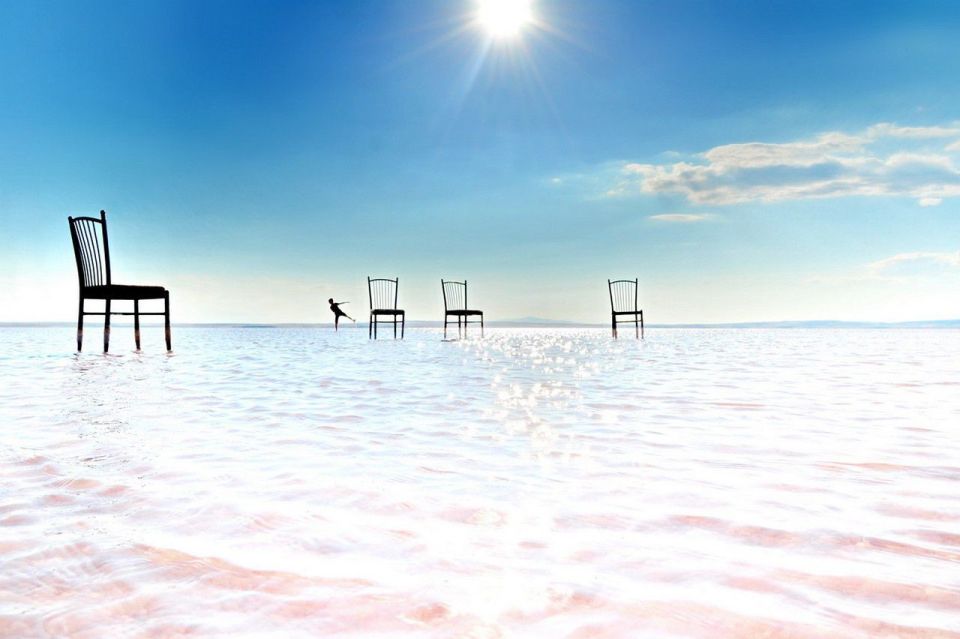
- Lake Tuz sunset time gives you room to photograph salt rocks and pink-orange hues, plus a dip if weather permits.
One Day in Cappadocia: What You Actually Get for $171
This is a full-day Cappadocia tour that runs on one tight theme: underground life, then salt-lake light. You start with pickup from your hotel area in Cappadocia, ride in an air-conditioned bus, and spend the day moving between three anchor experiences: Tatlarin Underground City, Saratli Underground City, and Lake Tuz, with lunch in between at Oresin Han Caravanserai.
At $171 per person (for 1 day), the value comes from what’s included. You’re not just buying transport—you’re paying for a live English-speaking guide, lunch, parking fees, and local taxes/insurances, plus the convenience of hotel pickup and drop-off. Drinks aren’t included, so bring a plan for that (water is usually the smart move, especially in hot months).
The small-group size matters more than it sounds. With a limited group (up to 15), you have a better chance of getting your questions answered clearly—especially if your English is basic or you just want help understanding what you’re seeing down in the tunnels.
Tatlarin Underground City: Tunnels, Giant Rooms, and a Toilet From 3,000 Years Ago
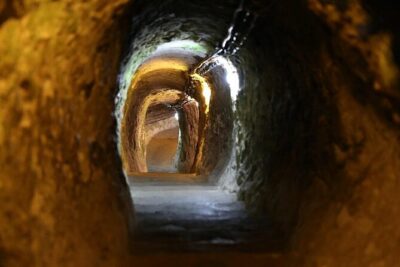
Tatlarin Underground City is the morning wow. You’ll travel to the area around Nevşehir Hill Fort near Kayseri, then step into a maze of tunnels and rooms that the tour describes as bigger than other finds to date. Expect tight, underground pathways that reward patience: slow down, look up when the ceiling opens into bigger chambers, and pay attention to where doors and passages narrow.
What I love about this stop is the way it turns underground space into lived space. It’s not just “old rocks underground.” The tour includes moments like entering an ancient toilet—positioned as proof that toilet use existed in Anatolia around 3,000 years ago—and then moving through larger rooms believed to have served religious or military purposes. That mix of practical life plus defensive function is exactly what makes underground cities feel real.
Practical note: underground areas can feel cooler than outside, but they can also be dim and echoey. Wear shoes with grip and expect uneven flooring. If you like photos, bring your camera ready because the biggest rooms give you more interesting angles than the narrow corridors.
A possible drawback is that “hands-on” time means you’re walking and standing in enclosed spaces. If you get claustrophobic or have limited mobility, this part can be tough—especially since the tour is not designed for wheelchair users.
Saratli Underground City: Seven Floors, Daily-Use Rooms, and Secret Tunnel Logic
After Tatlarin, you continue to Saratli Underground City, which is described as mystical in reputation but also very specific in details. You’re told it’s a 7-story structure with around 40 rooms. The list of functions is what makes it memorable: a water well, wine cellar, bath, toilet, barn, kitchen.
That’s the point. Underground life here isn’t portrayed as a temporary hideout with one sleeping corner. It’s shown as a system with storage, sanitation, food work, and personal care—meaning people could keep living underground for a while when needed.
The tour also highlights defense and escape planning. Saratli is believed to have been used as a sanctuary and defense place, and inside it there are secret tunnels connecting to peasants’ homes. The idea is that underground dwellers could reach outside contacts quickly during an attack.
For you, this stop is a great match if you like to understand how people solved real problems—water, food, heat, and movement—using architecture rather than modern tools. It can also be easier to follow than some underground sites because the tour gives you clear categories of rooms while you’re there.
Oresin Han Caravanserai Lunch: Silk Road Stonework Plus a Real Meal
Right after the underground cities, you head to Oresin Han Caravanserai. This is one of those breaks that actually helps your day make sense. You go from tight tunnels to open-air stone architecture and time to reset.
Caravanserai literally means caravan places. Oresin Han is described as an inn used since the 10th century by Silk Road traders, and you’ll have time to explore the site while your lunch is prepared. The building shows fine examples of stone carving, so even if you’re not a “carving person,” it’s worth strolling slowly and looking at how the stonework frames doorways and courtyards.
Lunch is included, which is a big deal on a day like this. Underground tours can make you forget to plan meals, and Salt Lake timing usually runs late enough that hunger can become a distraction. Having food included keeps you focused on enjoying the next stop instead of spending extra time searching for something simple.
Lake Tuz (Tuz Gölü) Sunset: Salt Rocks, Pink-Orange Light, and a Possible Dip
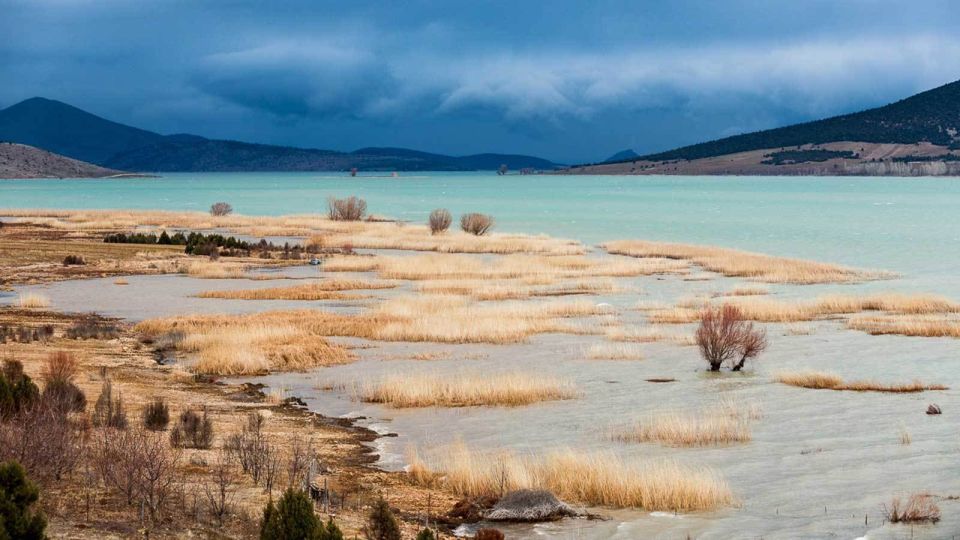
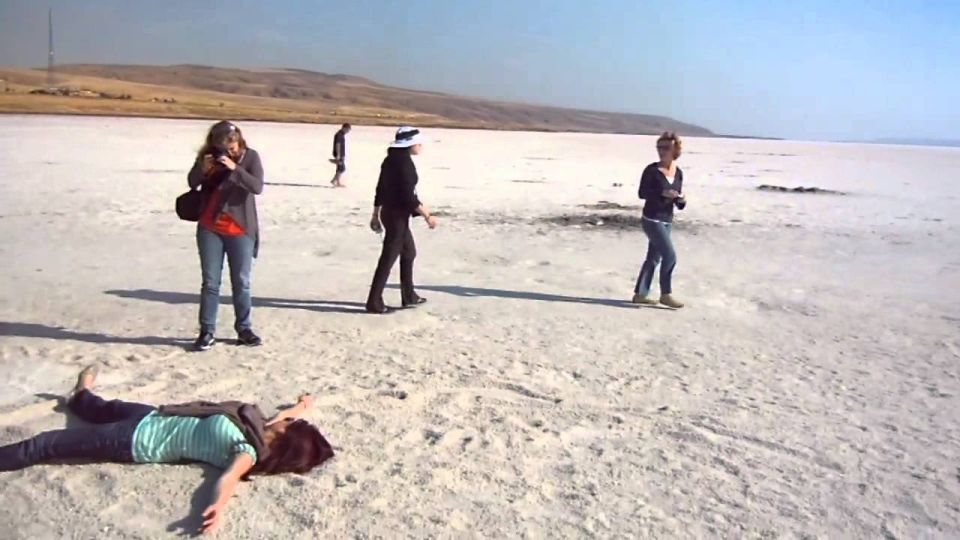
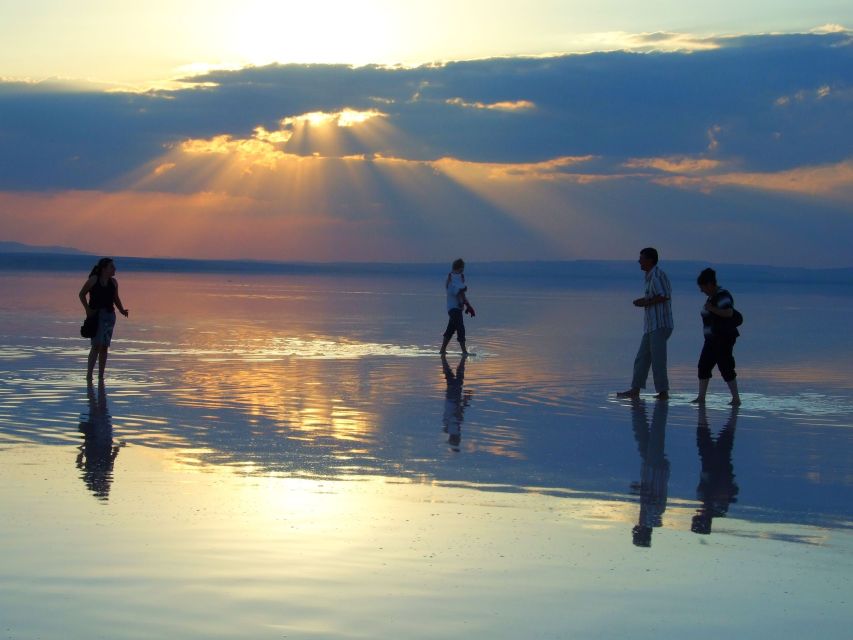
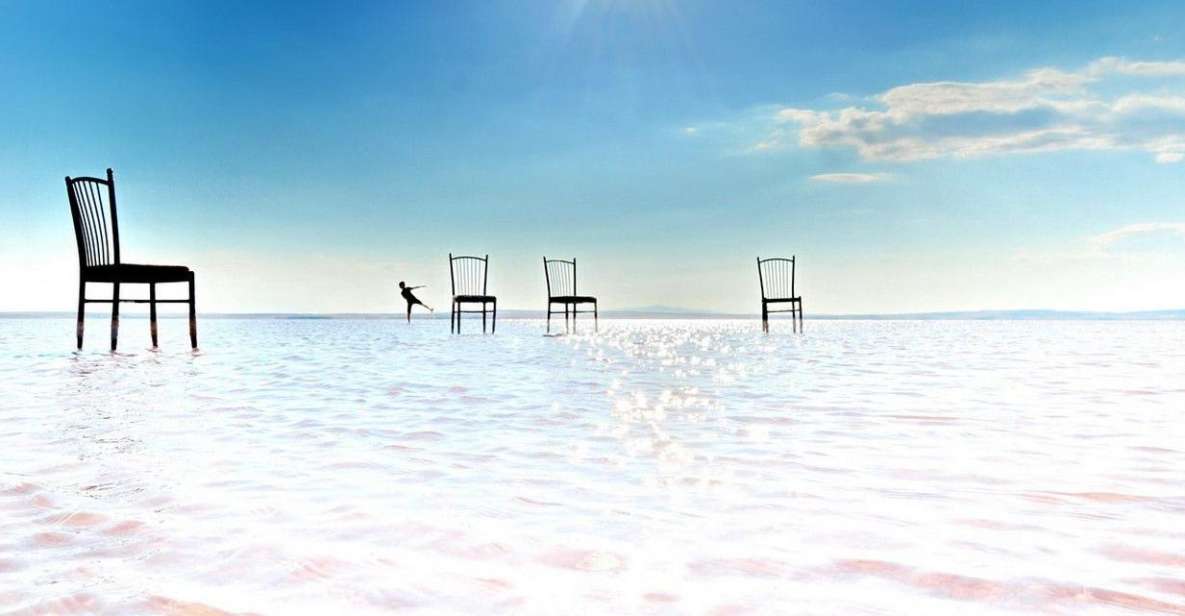
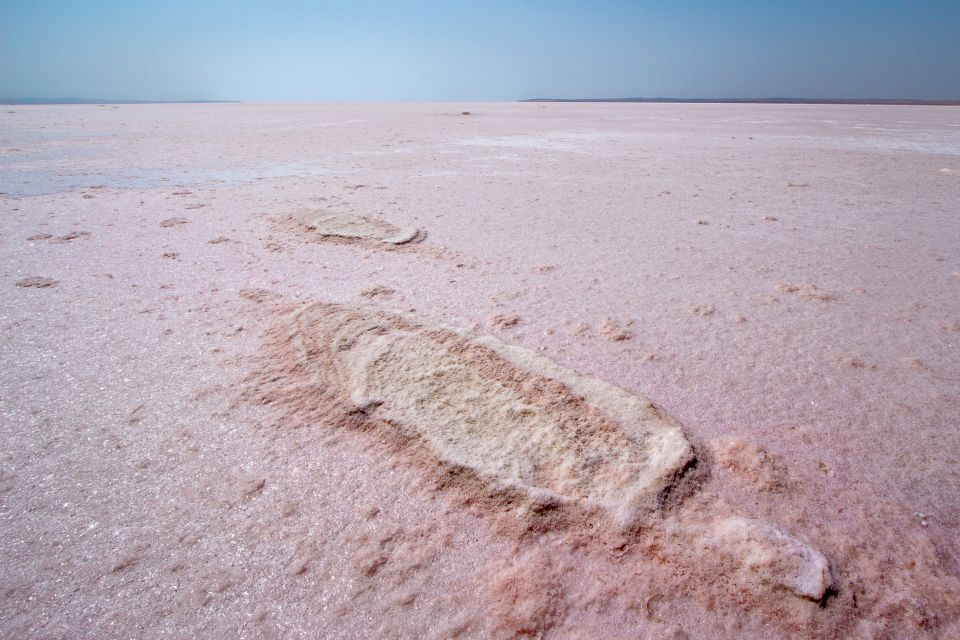
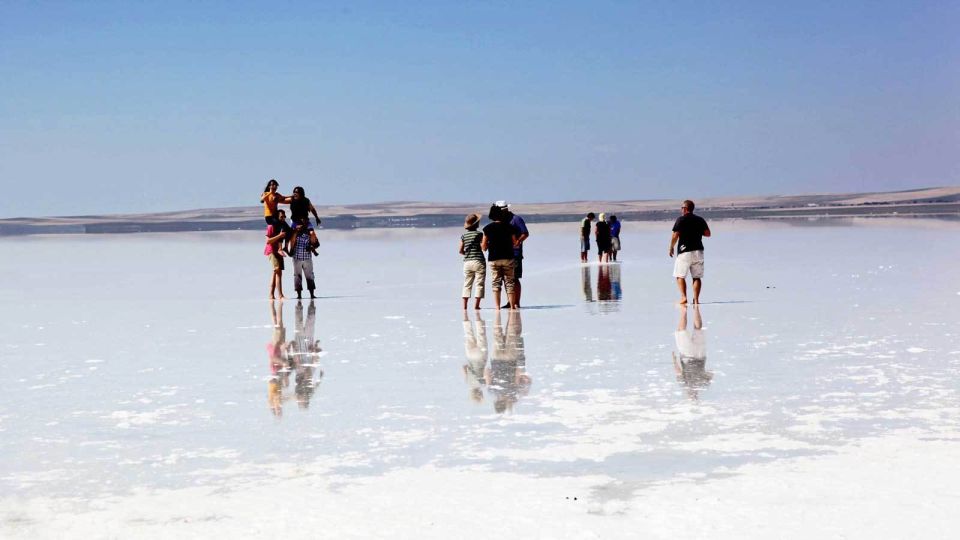
Then comes the visual payoff: the drive about 1 hour to Tuz Gölü, commonly called Lake Tuz. You’ll get time to roam the shores and look closely at salt rocks and the changing colors reflected on the water. The tour description calls out pink and orange hues, and the plan is built around the sunset.
This is a stop where timing really is the product. You’re not just passing through a salt flat—you’re meant to linger. If weather permits, there’s even an option to take a refreshing dip into the lake. That part is weather dependent, so it’s smart to be ready for either outcome.
For photos, I recommend you set your expectations realistically. The light can be dramatic at sunset, but you’ll still get the best results by slowing down and looking for contrast: salt shapes on the ground versus the water’s color shift. Bring a small towel and be mindful of salt moisture if you plan to walk near the waterline.
What this stop does well is give you the contrast your brain wants after underground sites. You go from dim and enclosed to wide, open space. If you’re traveling in a hot season, you’ll also appreciate that you have time to cool down and move at your own pace rather than racing.
Guide and Group Dynamics: Murad-Style Storytelling Makes It Click
A great tour guide can turn a list of sights into an actual understanding of a place. One guide named Murad is highlighted for a reason: he’s described as kind, engaging, and deeply interested in Cappadocia’s history and geology. When a guide has that level of passion, your questions don’t feel like interruptions.
You also have English-language support. The tour is run with a live English guide, and one non-native English group shared that their guide explained things clearly even with a translation approach. That’s a good signal for you if your Turkish is limited—you’re not stuck guessing what something means.
And because the group is small, it’s easier to ask about what you’re seeing right now. In underground cities, that matters. It’s one thing to see tunnels. It’s another thing to understand what room types suggest about life above and below the surface.
Practical Tips Before You Go: Shoes, Swimwear, and the Limits on Bags
This kind of day tour has a few non-negotiables. The checklist is simple, but it affects your comfort.
Wear comfortable shoes with good grip. You’ll be walking through underground areas and around salt flats, which can be rough on feet if you wear flimsy footwear.
If you want the lake dip option, bring swimwear and a towel. The tour says the dip depends on weather, so treat it as a bonus, not a guaranteed plan.
Dress in comfortable clothes. You’ll shift from enclosed underground spaces to open-air conditions, and that temperature change can be noticeable.
Two more practical points:
- Large bags or luggage aren’t allowed, so pack light.
- Plan to meet pickup time by waiting in the lobby at least 10 minutes before the driver arrives. Pickup timing is shared the day before, so keep an eye on your message the night before.
Timing and Transportation: How the Day Flows Without Feeling Rushed
This tour is structured as a continuous loop: pickup in Cappadocia, underground-city morning, caravanserai lunch, Salt Lake late afternoon/early evening depending on sunset timing, then return transfer.
Transport is included, and you ride in an air-conditioned bus. That’s especially useful when Cappadocia days are hot. It also reduces friction: you don’t need to arrange multiple rides between remote sites.
The day includes scheduled breaks and time for photos and roaming. At Lake Tuz, you get a longer block (listed as about 2 hours for the lake area), which is exactly what you want for sunset photography and casual walking.
Price and Value vs. Other Cappadocia Day Tours
Let’s talk money in a way that helps you decide. At $171 per person, you’re paying for four big inclusions:
- Hotel pickup and drop-off
- A live English guide
- Lunch at Oresin Han Caravanserai
- Air-conditioned transport plus parking fees, local taxes, and insurances
You don’t have to pay for guide time separately, and you don’t have to hunt down lunch in between two major sites. The only clear exclusions are personal expenses and drinks.
Is it expensive? It’s not cheap. But when you compare what you’re getting—two underground cities plus the Salt Lake with sunset time—your day is fully packed with high-effort sights, not just one main attraction.
If you’re the type who likes to see several major “wow” stops in one organized day (without coordinating multiple vehicles), this price starts to make sense.
Who This Tour Suits Best (and Who Should Skip It)
You’ll probably love this tour if you:
- want a tight 1-day plan that covers Tatlarin, Saratli, and Lake Tuz
- like historical settings where rooms and tunnels explain daily life and defense strategy
- care about good photo timing, especially for sunset
You might want to skip it if you:
- use a wheelchair or have mobility challenges, since it’s not suitable for people with mobility impairments
- have trouble with enclosed spaces or lots of walking on uneven ground
Also, this tour is built for comfortable participation, not extreme adventure. You’re not scrambling off-trail, but you are moving through sites that require basic physical comfort.
Should You Book This Cappadocia Salt Lake and Underground Cities Tour?
I’d book it if you want one guided day that hits big contrasts: underground life, Silk Road architecture, then open salt flats at sunset. The included lunch and hotel pickup add real convenience, and the small-group size (15 max) helps the guide interact instead of just reciting facts at the front.
I wouldn’t book it if accessibility is a concern or if you know you’ll struggle with underground sections. And if you’re chasing a guaranteed lake dip, remember it’s weather dependent.
If that trade-off works for you, this is a strong one-day option for seeing key Cappadocia-area highlights without spending your trip micromanaging logistics.
FAQ
How long is the Cappadocia Salt Lake and Underground Cities tour?
It’s a 1-day tour.
How much does the tour cost?
The price is listed at $171 per person.
What stops are included in the tour?
The tour includes Tatlarin Underground City, Saratli Underground City, lunch at Oresin Han Caravanserai, and Lake Tuz (Tuz Gölü).
Is lunch included?
Yes. Lunch is included, and you can explore Oresin Han Caravanserai while your lunch is prepared.
Is there an English-speaking guide?
Yes. The tour includes a live English guide.
What should I bring for the day?
Bring comfortable shoes. If you want the option to swim in Lake Tuz, bring swimwear and a towel. Also wear comfortable clothes.
Is the tour suitable for wheelchair users?
No. The tour is not suitable for people with mobility impairments or wheelchair users.