REVIEW · GOREME
Cappadocia Home Cooking Experience
Book on Viator →Operated by Skyway Travel Cappadocia · Bookable on Viator
Food here comes with a family story. In Göreme, this hands-on cooking class takes place in a restored stone-arch house where you work with fresh garden ingredients. You’ll learn how to make a spread that typically includes soup, stuffed dishes like karnıyarık and yaprak sarma, plus mantı and a honey-sweet dessert like kadayıf.
I especially like the way the class turns cooking into a quick crash course on village life. While you’re chopping, mixing, and rolling, you also get to hear how the family lives and what traditions matter in Cappadocia. The main consideration is timing: it’s a 3-hour experience and it requires good weather, so you should plan for the possibility of date changes if conditions don’t cooperate.
In This Review
- Key Things I’d Highlight Before You Go
- A Stone-Arch Home Cooking Class in Göreme
- From Pickup to the Kitchen Door
- The Garden Harvest: Why It Makes the Cooking Taste Better
- Cooking Your Way Through Turkish Classics
- Soup Time (Red Lentil Soup)
- Stuffed and Rolled Dishes: Yaprak Sarma and Karnıyarık
- Mantı: Small Dumplings, Big Flavor
- Börek: Savory Pastry Skills
- Pilav and Salata: The Fresh Side That Completes the Plate
- Dessert: Kadayıf with Honey
- Turkish Tea and the Real Point of the Meal
- Price, Time, and Value in Real Terms
- Who This Cooking Class Fits Best
- Weather, Comfort, and Small Practical Tips
- Should You Book the Cappadocia Home Cooking Experience?
- FAQ
- How long is the Cappadocia home cooking experience?
- Is pickup and drop-off included?
- What language is the class offered in?
- What’s included in the price?
- How large are the groups?
- Is the experience dependent on weather?
- Can the hosts accommodate vegetarian preferences?
Key Things I’d Highlight Before You Go
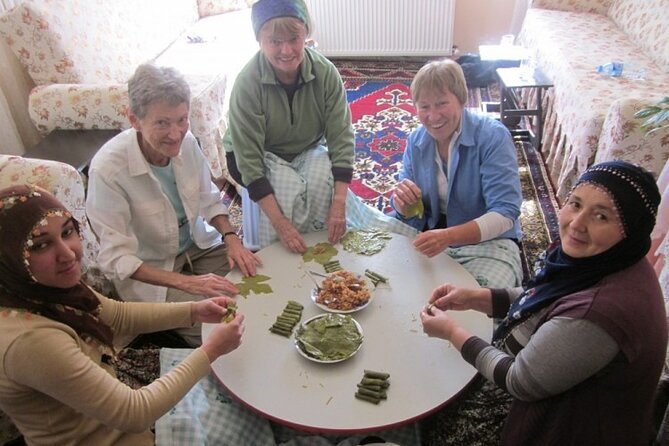
- Garden-to-table cooking: You’ll pick herbs and vegetables right on site, then cook with what you brought in.
- A full meal you make yourself: Soup, entrée/main, and dessert are all part of the session, and you eat afterward.
- Small group size: Max 12 people means you get more hands-on attention than with a huge group.
- Family-run atmosphere: The warmth is the point, and it often turns into real conversation, not just a demo.
- Cappadocia comfort food lineup: Expect classics like yaprak sarma, börek, mantı, and kadayıf.
- Pickup and drop-off included: It’s easier to fit into your Göreme day.
A Stone-Arch Home Cooking Class in Göreme
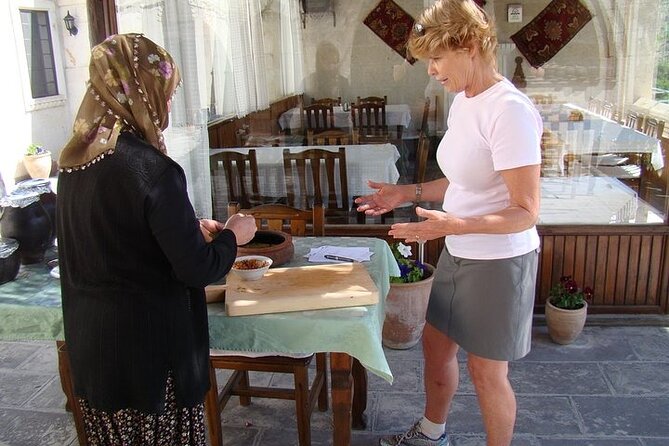
Cappadocia can be all hot air balloons and fairy-tale landscapes, but this experience trades big sights for a more personal one: a family kitchen in a restored stone-arch house. The setting matters. In places like this, you’re not just watching a cooking show—you’re surrounded by the tools, aromas, and routines of everyday Turkish home cooking.
This is based in Goreme, with a charming village feel. You’ll be picked up and then taken to the cooking school, and you’ll return the same way when the class ends. The whole session is about 3 hours, which is short enough to fit into a sightseeing day, but long enough that you really do make multiple dishes rather than just sample one.
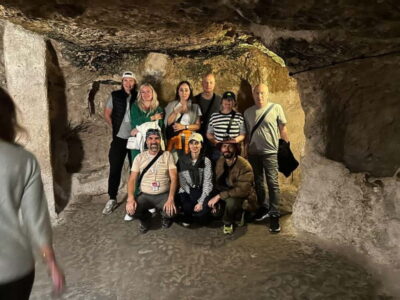
You’ll also be with a small group—up to 12 people—so the vibe stays friendly. And since the class is offered in English, you won’t have to guess what comes next while your hands are busy.
You can also read our reviews of more cooking classes in Goreme
From Pickup to the Kitchen Door
You start with pickup, which is honestly one of the best parts of any food tour here. It removes the stress of figuring out local streets on your own after a day of walking or a sightseeing tour. The exact meeting point can vary (it will either be a specific address or a known landmark in the area), so make sure you check your confirmation details right after booking.
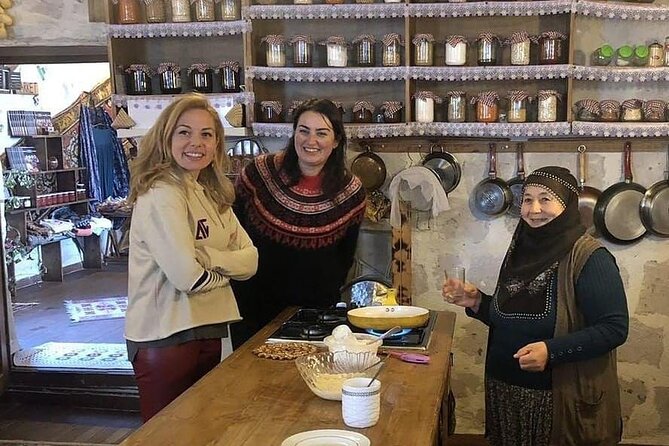
Once you arrive, you’ll settle into a warm, welcoming space that’s meant for guests. And it’s set up to be hands-on. The class isn’t just about eating; it’s about learning technique and then using it while the ingredients are fresh and the kitchen is still in full flow.
There’s also a gentle pace to it. You’ll spend time getting oriented, looking at what’s growing in the garden, and then moving into active cooking. If you like food with a story—how people actually eat at home—this format clicks.
The Garden Harvest: Why It Makes the Cooking Taste Better
One of the most practical and enjoyable parts is the organic garden stop. Before the cooking really starts, you’ll meet the family’s garden and get to pick fruits, vegetables, and herbs that will be used in your dishes. That means the menu isn’t just a list. It’s tied to what’s available and fresh that day.
This garden-to-table approach helps in two ways:
- Your ingredients are flavorful because they’re harvested close to cooking time.
- You understand what you’re making, because you’ve seen the raw items first.
I like this because it turns a meal into a sensory lesson. You’ll notice aromas from herbs, the textures of vegetables, and how they change once they hit the pot or pan. Even if you’ve cooked at home before, this step helps you connect ingredients to Turkish regional cooking.
Cooking Your Way Through Turkish Classics
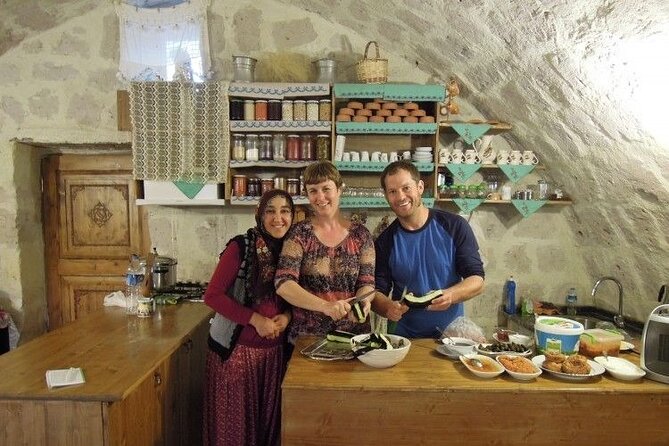
The class structure typically covers multiple dishes: you’ll make soup, then move through entrées and mains, and finish with a dessert. You’ll work with the instructors, and you’ll also learn about village traditions as you cook—so the time feels like more than just food prep.
Here’s what the experience often includes, based on the menu lineup:
- Starters: Yaprak sarma, plus salata and pilav in some sessions
- Mains: Mantı and karnıyarık
- Dessert: Kadayıf
- Additional savory item: Börek may be included as part of the spread
- Soup: Red lentil soup is specifically mentioned in one example
Let’s translate what that means in real terms.
Soup Time (Red Lentil Soup)
Red lentil soup is a classic Turkish comfort bowl—warm, thick, and built on spice and aromatics. The useful part of making soup in a group lesson is that you’ll learn how to balance seasoning and texture. Soup is also a great first dish because it’s forgiving and sets you up for the more hands-on rolling and stuffing later.





Stuffed and Rolled Dishes: Yaprak Sarma and Karnıyarık
Two menu items signal that this class isn’t avoiding real technique.
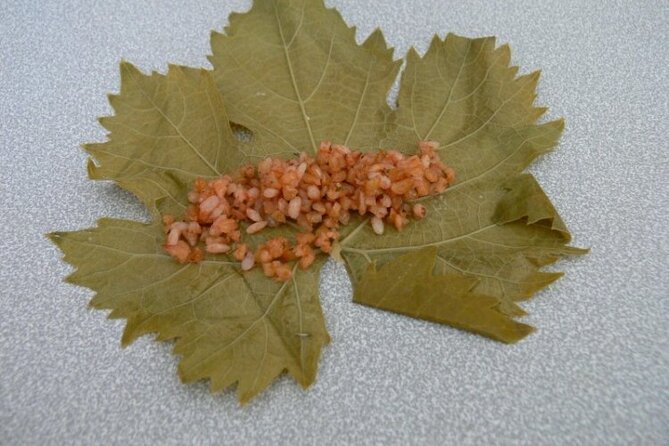
- Yaprak sarma usually means grape leaves rolled with a filling. Rolling is slow work, but it teaches patience and portioning.
- Karnıyarık is eggplant stuffed with a savory filling. Eggplant is one of those ingredients that can go wrong if you rush, so learning the right approach is valuable.
In one example from the experience notes, the session included beef stuffed eggplant, which is very much in the karnıyarık direction. If you like learning by doing, these dishes are where the class earns its keep.
Mantı: Small Dumplings, Big Flavor
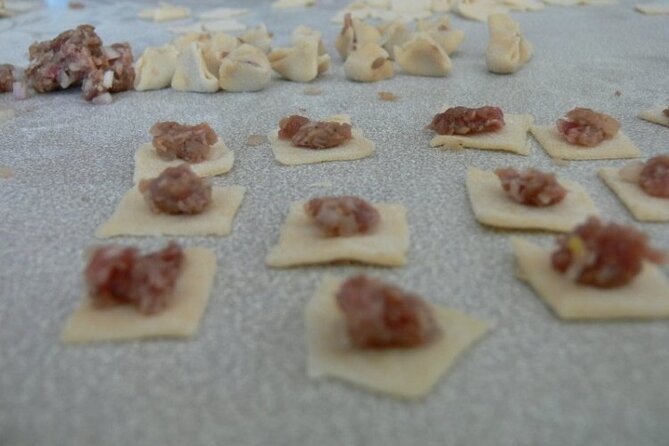
Mantı is often described as Turkish dumplings. The key is that mantı is not just about shaping. It’s about coordinating parts—dough, filling, cooking time—then finishing with a sauce and topping. It’s also the kind of dish where you can see the payoff quickly once everything is assembled.
Börek: Savory Pastry Skills
Börek is a savory pastry that can be layered or shaped, depending on the style. In a cooking class, it’s a good mid-to-late step because you get to practice working with dough and fillings without the complexity of a multi-course plated fine-dining menu.
Pilav and Salata: The Fresh Side That Completes the Plate
These aren’t filler items. A simple rice pilav and a salad help balance heavier dishes. They also give you a break between the hands-on rolling and stuffing tasks. Plus, when you make them, you understand how Turkish home meals stay balanced.
Dessert: Kadayıf with Honey
Kadayıf is a dessert made from shredded pastry strands, usually topped with syrup or honey. In one example, honey was specifically noted as coming from the family’s hives. Whether your portion is big or small, the lesson here is that Turkish dessert often leans on syrupy sweetness and aromatic spice rather than just cake-like textures.
Turkish Tea and the Real Point of the Meal
After you cook, you eat what you made. That matters more than people think. A lot of food tours give you tastes. This one aims for a full meal so your effort turns into something you can actually savor.
As you wrap up, you’ll enjoy a cup of traditional Turkish tea. Tea is part of how Turkish hospitality slows time down. It’s the moment when you stop working and start talking—often with the family members who make the day feel personal.
In the experiences shared, a recurring theme is that hosts treat people like family. One example mentioned the grandmother giving a Turkish name, and another example highlighted conversation about their lives beyond the kitchen. Even if you’re not looking for deep cultural chatter, you’ll likely find yourself chatting anyway, because the atmosphere pushes you toward it.
Price, Time, and Value in Real Terms
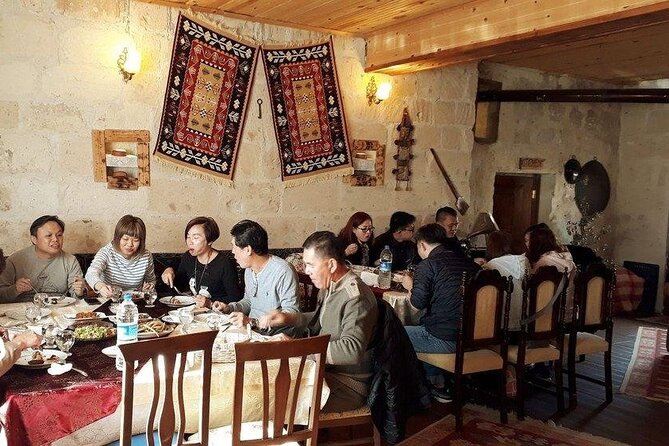
The price is $114.39 per person for about 3 hours. On paper, that’s not “cheap.” But for Cappadocia, where cooking classes can be more demo-heavy or shorter, you’re paying for a full hands-on session plus the meal.
Here’s the value math that makes sense:
- You get pickup and drop-off, which saves time and taxi hassle.
- You get ingredients and products for cooking included, so you’re not paying separately for supplies.
- You get snacks and coffee/tea, plus the meal you create.
You’re also not just eating Turkish food here—you’re learning why it tastes the way it does, through ingredient sourcing and technique. For people who like to bring home something more useful than photos, that learning component is worth more than it looks.
Who This Cooking Class Fits Best
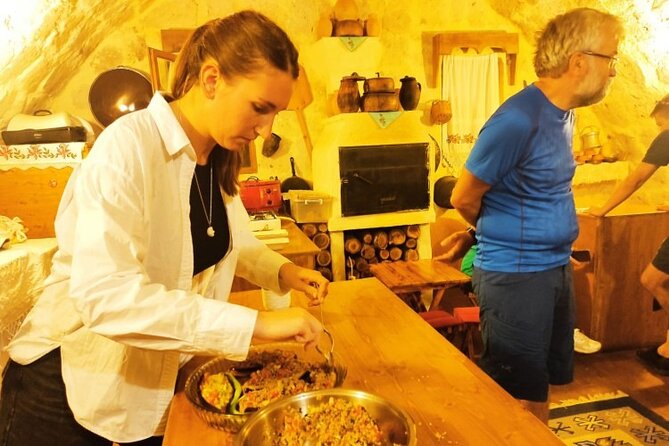
This works especially well if you want:
- A break from tours that mostly point and move on.
- A hands-on activity that still feels relaxed (small group, family setting).
- A way to eat regional dishes like mantı and karnıyarık without guessing what’s in them.
It’s also a strong choice for food-focused visitors who enjoy learning techniques, not just sampling. Because you’ll be cooking multiple dishes, you’ll likely feel like you got a real experience, not a quick bite.
If you prefer activities with minimal mess and minimal effort, keep that in mind. This is a cooking class, so you’ll be doing actual work—mixing, rolling, chopping. You don’t need to be a chef, but you should be comfortable participating.
Weather, Comfort, and Small Practical Tips
This experience requires good weather. That means if conditions are poor, your date may change or you may receive a full refund option depending on the situation. The practical takeaway: don’t schedule this as your only plan on a day with fragile weather.
I’d also dress like you’re going to cook. Comfortable clothes and shoes help, even if the kitchen area is clean and organized. And because the class uses ingredients from a garden, the best prep move is to be clear about your food needs at booking. One example mentioned accommodation for a vegetarian preference, so dietary adjustments may be possible—just ask.
Finally, given the small group size, you’ll get more interaction if you’re ready to talk and ask questions. The best parts of the day are often the conversations that start naturally while someone is showing you how to fold, stuff, or season.
Should You Book the Cappadocia Home Cooking Experience?
Book it if you want a real home-style meal in Cappadocia, with hands-on cooking and a family-run atmosphere. I think it’s a great match for people who value learning over collecting. The garden harvest plus a multi-dish cooking format (often soup, stuffed dishes, mantı, and kadayıf) makes the 3-hour time feel full.
Skip it (or consider alternatives) if you want a purely scenic activity or if you strongly dislike hands-on participation. And if weather is uncertain, keep your schedule flexible so you’re not stressed by a possible change.
If you’re balancing Cappadocia’s iconic sights with something human and delicious, this is the kind of experience that leaves you talking about flavors long after you’re back on the trail.
FAQ
How long is the Cappadocia home cooking experience?
It runs for about 3 hours.
Is pickup and drop-off included?
Yes, pickup and drop-off are included.
What language is the class offered in?
The experience is offered in English.
What’s included in the price?
Lunch/dinner, snacks, coffee and/or tea, and the products used for cooking are included.
How large are the groups?
The experience has a maximum of 12 travelers.
Is the experience dependent on weather?
Yes, it requires good weather.
Can the hosts accommodate vegetarian preferences?
In at least one review, the hosts were able to accommodate a vegetarian preference. It’s a good idea to mention your needs when booking.