REVIEW · GOREME
7 Days Istanbul, Cappadocia and Ephesus Tour
Book on Viator →Operated by Pupa Travel · Bookable on Viator
Istanbul is a whirlwind, but this one is planned. This 7-day private tour links Istanbul’s top Ottoman landmarks with Cappadocia’s fairy-chimney scenery and Ephesus-era ruins, using airport transfers and a private A/C minivan to cut down on logistics stress. I like that you start with clear orientation and jump into the big sights early, with guided context that helps you understand what you’re looking at.
Two things I really like: first, the pairing of Blue Mosque + Topkapi Palace on day two, when you’re still fresh and the old city is easiest to navigate. Second, Cappadocia is handled in a practical loop of viewpoints (Devrent, Pasabag, Göreme) plus cave sites and photo stops like Uchisar and Pigeon Valley, so you get both the weird geology and the “how did people live here” feeling.
The main drawback to consider is pacing. This is a busy plan with lots of timed entries and multiple regions in one week, so you’ll want comfortable shoes and realistic expectations about downtime.
In This Review
- Key highlights that make this tour worth your time
- How 7 days from Istanbul to Ephesus actually plays in real life
- Istanbul start: airport pickup and orientation in the old district
- Blue Mosque and Topkapi Palace: Ottoman icons with guided context
- Grand Bazaar jewelers and Spice Market: shopping with useful targets
- Hippodrome, Hagia Sophia, and Basilica Cistern: the city’s time layers
- Bosphorus cruise: a two-hour break that still counts as sightseeing
- Getting to Cappadocia: the week turns into geology and cave life
- Devrent to Göreme: fairy chimneys you can name and places you can photograph
- Kaymakli underground and quiet villages: the “how they survived” day
- Ephesus: walking ruins with the right sequence
- Priene, Miletus, and Didyma near the coast: a satisfying final day
- Price and value: what $1,410 buys in a week like this
- Who this tour fits best (and who might want a slower plan)
- Should you book this 7-day Istanbul, Cappadocia and Ephesus private tour?
- FAQ
- Is this tour private?
- Where do you get picked up in Istanbul after landing?
- What time does the tour start?
- Is there a private vehicle during the tour?
- Are tickets and admissions included?
- Are lunches included?
- What’s not included in the price?
- Do you fly between regions?
- What happens if I cancel?
Key highlights that make this tour worth your time
- Private guiding all the way, with only your group involved
- Airport meet-and-transfer in Istanbul, with a driver waiting at the exit gate with your name
- Blue Mosque and Topkapi Palace grouped together for a smooth Ottoman introduction
- Cappadocia viewpoints stacked by theme, from Imagination Valley to Pasabag and Göreme Open Air Museum
- Ancient sites you can walk through at Ephesus, Temple of Artemis, and related stops near Selçuk
- Lunch included 7 times, which helps you manage costs and keep the schedule moving
How 7 days from Istanbul to Ephesus actually plays in real life
This tour is designed as a straight-line “greatest hits” route: Istanbul first, then Cappadocia, then the Ephesus area, and finally back toward Istanbul for your departure. What makes it feel easier is that it’s private. You’re not sharing timing and attention with strangers, and you can ask questions that would get lost in a larger group.
You also get a lot of friction removed. Your first day includes a transfer from Istanbul Airport to your hotel in the old district, and you’ll have private airport transfers at the transitions between regions. Add the private A/C minivan for ground days, and you spend less time figuring out where to go next.
One small but important detail: the tour starts around 9:30am, so even if your flight lands earlier, plan on a structured day once everyone meets up. If you’re the type who needs unhurried wandering, build in the fact that this is a full schedule.
You can also read our reviews of more tours and experiences in Goreme.

Istanbul start: airport pickup and orientation in the old district
Your arrival experience is built to calm your first hours in Turkey. A driver meets you at the airport exit gate with a sign showing your name, then takes you to your hotel in the old district. That old-city location matters because it shortens the time between settling in and starting the sightseeing.
After you check in and rest, your guide meets you for an orientation about Istanbul and your seven-day route. This kind of first-night briefing helps you understand the flow of the week so later days don’t feel like random bus stops.
If you’re arriving with jet lag, the “simple day one” format can be a relief. You’re not expected to cram big monuments the same evening—just get oriented and start fresh.
Blue Mosque and Topkapi Palace: Ottoman icons with guided context
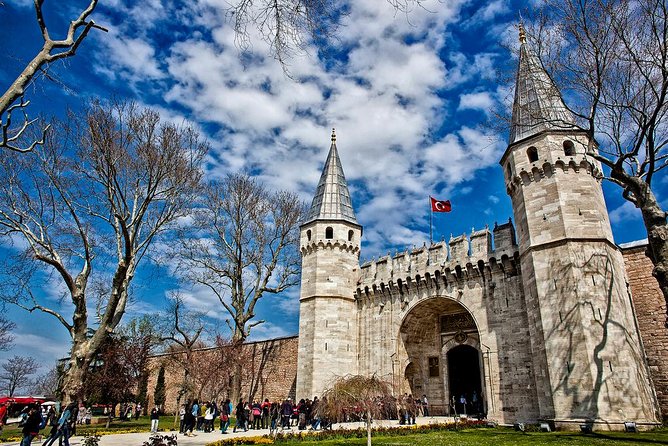
Day two is a strong entry into Istanbul’s Ottoman power. You start at the Blue Mosque, completed in 1616 under Sultan Ahmet I. Even if you’ve seen photos, walking into a landmark mosque like this without a guide can leave you with mostly impressions. With guiding, you get more of the why behind the details—what was important to the sultanate and how the building fits the city.
Right after, you go to Topkapi Palace, described as an assemblage of museums shaped by collections the sultans built over almost five centuries. This is one of those places where structure matters: without guidance, it’s easy to bounce around rooms and miss the big ideas. With a guided pass, you’re more likely to connect the dots between the palace as a residence and as a display of power and wealth.
This pairing is also smart timing. Istanbul’s historic core is walkable in short segments, so the day doesn’t feel like a series of long, disconnected drives. It feels like you’re tracing the same story in multiple settings.
Grand Bazaar jewelers and Spice Market: shopping with useful targets
Later on, you swing into classic Istanbul markets. You’ll spend time at the Grand Bazaar (noted as dating back to the 16th century), and the entry at least for the jewelers stop is listed as free. This matters because the Grand Bazaar can be expensive if you wander without a plan. Having a guided touchpoint can help you understand what you’re seeing and set expectations.
After lunch, the day continues downhill to Misir Çarşısı (Spice Market). You get about an hour here, listed as free, and it’s a good place to focus on sensory browsing. Turkish delight, spices, and packaged goods are the obvious items, but the real value is that you learn how market shopping works in the old city—where to go, how to compare, and how to avoid wasting time.
If you want souvenirs, this is where I’d spend your energy. If you don’t, you can still enjoy the atmosphere without feeling pressured to buy.
Hippodrome, Hagia Sophia, and Basilica Cistern: the city’s time layers
Day three brings you deeper into Istanbul’s earlier eras. You start at the Roman Hippodrome, dated to the 2nd century A.D. The stops include landmarks like the Obelisk of Tuthmosis III, the German Fountain, the Serpent Column, and the Obelisk of Constantine. This kind of stop works best when it’s guided, because the sculptures are scattered and you need context to see the bigger picture.
Then comes Hagia Sophia, built in 537 by Justinianus. It’s listed for about two hours with admission included. Even if you already know the story, you’ll get more from it with a guide because the building is a lesson in structure, ambition, and changing uses over time.
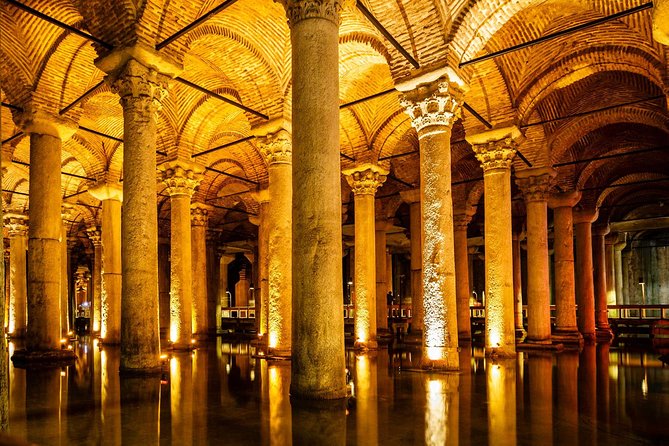
Right after, you visit the Basilica Cistern, built around the same era as Hagia Sophia, also with admission included. This stop is a good mental reset. Above ground is massive and loud; underground is cool and quiet. And it’s exactly the kind of contrast that makes a multi-day city tour feel rewarding instead of repetitive.


Bosphorus cruise: a two-hour break that still counts as sightseeing
After lunch, you take a Bosphorus Strait cruise, about two hours. You’ll see palaces, summer mansions, Ottoman-era houses, and other scenes along the water. This matters because it gives your legs a break while still giving you perspective on Istanbul’s layout.
I like this part of the plan because it changes pace. The morning is heavy on monuments; the cruise turns sightseeing into something you can watch without walking every hour. It’s also useful for helping you visualize where places relate to each other across the water.
Getting to Cappadocia: the week turns into geology and cave life
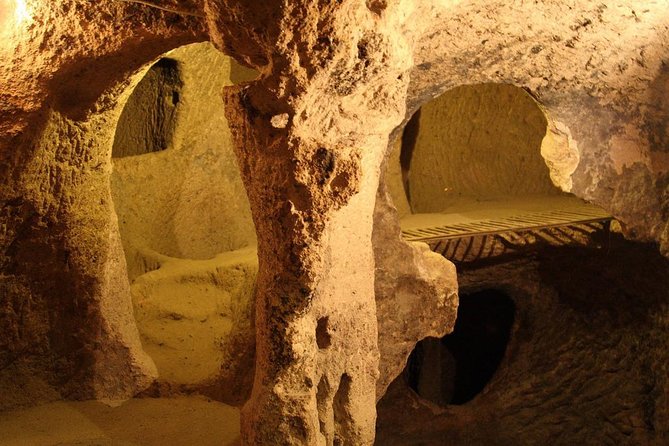
Once Istanbul’s big sights are handled, the tour moves you toward Cappadocia and you stay overnight there. The flow is straightforward: there’s a transfer to the airport based on your situation, and then you connect onward so you arrive in Cappadocia for the next day’s full exploration.
Cappadocia is different from Istanbul. Istanbul is architecture and empire; Cappadocia is wind, rock, and survival. That shift is the real reason this itinerary works. You don’t just keep collecting monuments—you change the “type” of travel you’re doing.
Devrent to Göreme: fairy chimneys you can name and places you can photograph
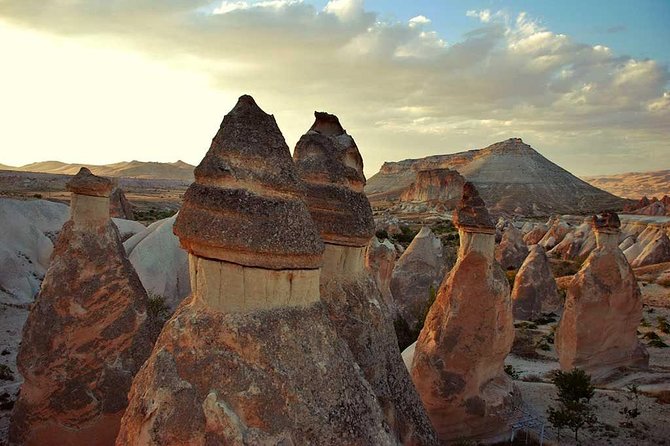
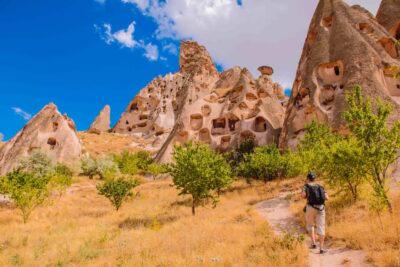
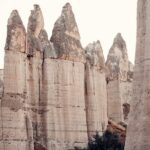
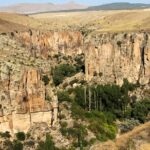
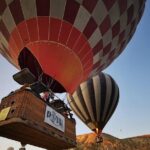
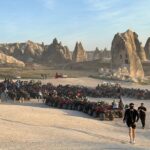
Day four is built around Cappadocia’s signature formations and viewpoints. You begin at Devrent Valley, also called Imagination Valley. The tour notes the fairy chimneys’ formation over almost 30 million years ago. That “how old is it?” detail helps your brain treat the rock shapes as geology, not just decorations.
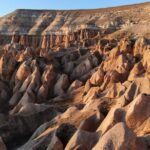
Next you go to Pasabag, where you see the most interesting fairy chimneys. The tour description even compares them to the look from Hobbit and Smurfs—a playful way to explain the shapes. You’ll likely recognize the style instantly once you’re there.
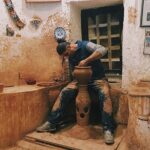
Then there’s a practical cultural stop at Avanos Oren Yeri, a local pottery shop. The focus is on how people survived and created art dating back to the Hittite period. You won’t just watch; you get the story of the craft and why the region made ceramics a natural skill.
After that, you reach Göreme Open Air Museum with cave churches, described as including 530 churches in Cappadocia. There’s also a stop for Cappadocia cave dwellings. These are the moments that turn “pretty rock” into “human history”—how people used the terrain for shelter and worship.
The day closes with views: Uchisar Castle and Pigeon Valley, plus short photo breaks at Pigeon Valley and the Göreme Panorama. If photography is your thing, this section is strong. If not, you still get the geographic sense of the area.
Kaymakli underground and quiet villages: the “how they survived” day
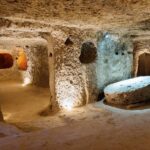
Day five starts early with a check-out and then a drive to Kaymakli Underground City, one of the places that shows Cappadocia wasn’t only for views. The tour notes it as a way Christians defended themselves from persecutions and invasions for centuries. The practical takeaway is that underground living wasn’t a fantasy; it was an adaptive technology.
Next you drive to Sinasos Kilisesi, in the area of Sinassos, described as an old Greek village re-inhabited after 1927. After that you head to Soganli Valley, where you can explore mostly abandoned village churches.
This day feels less like Instagram scenery and more like the “human scale” of Cappadocia. You’ll spend more time thinking about movement, shelter, and community rather than just rock shapes.
Late in the day, you travel to Kayseri Airport (ASR) and fly onward to İzmir. After landing, it’s about an hour and a half drive to your hotel to relax and reset for the next day.
Ephesus: walking ruins with the right sequence
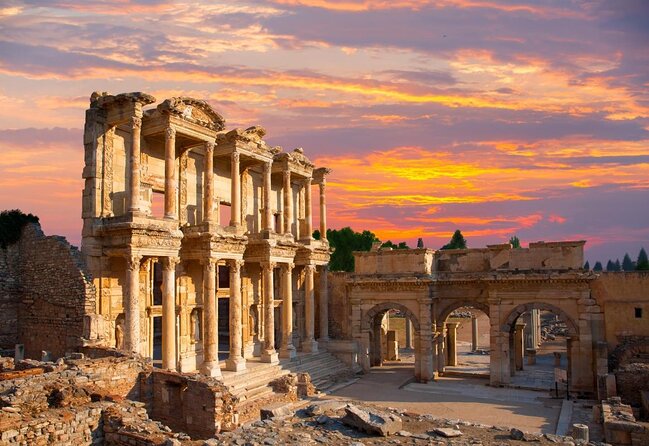
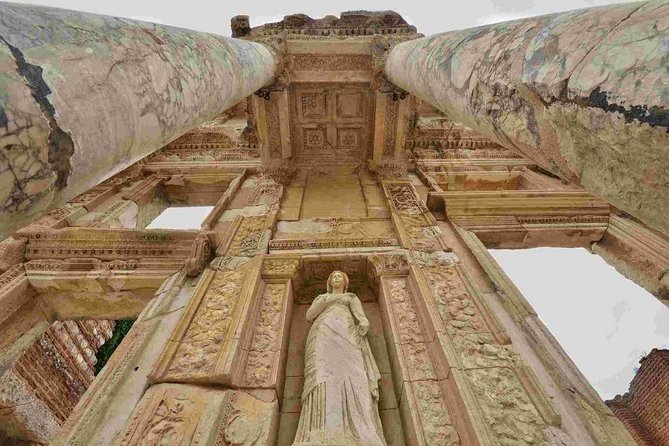
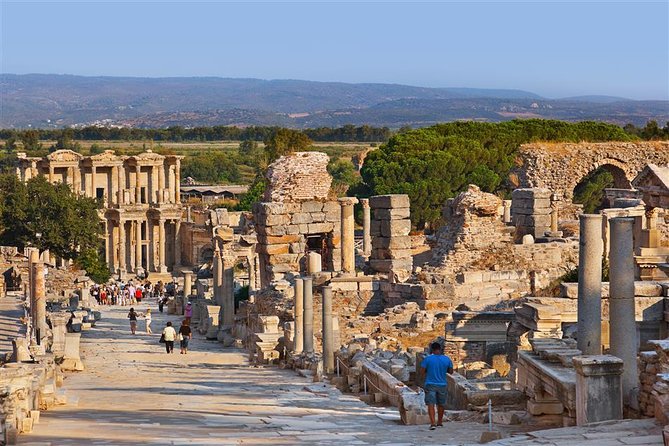
Day six is where the trip becomes Roman and Greek myth-meets-reality. You start with the Ancient City of Ephesus, about two hours. The best way to experience Ephesus is to let the guide help you find the main zones and explain what you’re seeing as you go. Otherwise, it can feel like scattered stones.
After lunch, you go to the Temple of Artemis, noted as one of the Seven Wonders of the Ancient World. The tour lists about two hours and admission included. Even in partial ruins, the scale cues you in: this wasn’t a small local shrine.
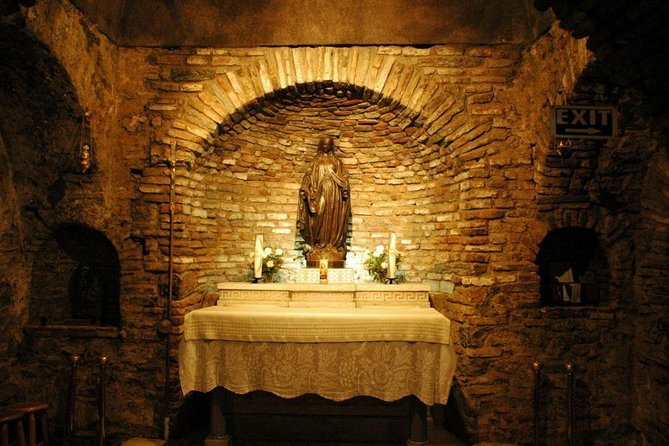
Then you visit Basilica of St. John (Saint John Kilisesi), also about two hours. After that comes Meryemana (The Virgin Mary’s House) for about an hour. Finally you end with the Selçuk Ephesus Museum, with admission included and artifacts from Ephesus.
I like that the museum is included after walking the site. You see fragments in context, then get a clearer picture of what those fragments were when intact. It’s the difference between looking at ruins and understanding what they once meant.
Priene, Miletus, and Didyma near the coast: a satisfying final day
On the last day, the tour switches to nearby cities and sanctuary sites. You begin with Priene (Priene Antik Kenti), a port city first established in the 7th century B.C. The tour notes it was later silted by the Meander River. That detail is key because it explains why geography matters for ancient cities.
Next is Miletus (Milet Antik Kenti), known for philosophers including Thales, Anaximenes, and Hekaistos. This stop is about ideas as much as architecture, so if you like hearing how ancient thinkers influenced later thinking, you’ll enjoy it.
Then you go to Didyma, the Temple of Apollon where prophecies were given. The tour notes that the biggest oracle was serving at the Apollo Temple, and lunch may be after the visit depending on schedule.
After the sightseeing, the last logistics are handled for you. You transfer to İzmir Adnan Menderes Airport and fly to Istanbul, then connect to your departure based on your flight timing.
Price and value: what $1,410 buys in a week like this
At $1,410 per person for roughly seven days, this is the kind of price that only makes sense if you’re buying convenience plus guidance. You’re not just paying for tickets. You’re paying for private touring (only your group), private guiding, and private A/C minivan transportation on ground days, plus airport transfers.
Lunch is also included 7 times, which matters more than it sounds. In Turkey, a day’s meals can add up fast, especially when you’re moving across different regions. With lunch included, you can budget without guessing what you’ll spend at each stop.
Admission tickets are included for many of the core sights listed as included: Blue Mosque, Topkapi Palace, Hagia Sophia, Basilica Cistern, Bosphorus cruise, Göreme Open Air Museum, Kaymakli Underground City, Ephesus sites, and more. Some market time is free, like parts of the Grand Bazaar jewelers stop and Misir Çarşısı, which helps the day feel varied without everything costing extra.
The items not included are the predictable ones: personal expenses, dinners, and alcoholic beverages. So if you want a simple budget and don’t mind occasional extra spending for souvenirs and evening meals, the overall value can feel fair.
Who this tour fits best (and who might want a slower plan)
This works best for you if you want structure. If you like knowing what you’re seeing, and you prefer not to wrestle with transit between Istanbul, Cappadocia, and the Ephesus area, a private guided format is a big win.
It’s also a good fit if you care about history but don’t want to become a self-taught guidebook reader. The schedule is built around major anchors: Blue Mosque and Topkapi, then Hagia Sophia and the Cistern, then Cappadocia’s cave culture and viewpoints, and finally Ephesus with Artemis, St. John, and Meryemana.
You might want to reconsider or at least adjust expectations if you’re the type who needs long free afternoons. This plan is full. Even when one day has shorter stops, you’ll still be moving through multiple sites.
Should you book this 7-day Istanbul, Cappadocia and Ephesus private tour?
If you want a smooth, private route with airport transfers, A/C van on the ground, admission into major anchors, and lunch included for most of the day, I’d say it’s worth considering. The most reassuring part is the operational feel: the tour is set up around on-time pickups, clear meeting points at the airport, and private guiding that can handle day-to-day questions.
Book it if you like big sights and you can handle a packed week. Don’t book it if you want lots of quiet time and slow wandering, because this schedule is meant to be efficient.
FAQ
Is this tour private?
Yes. It’s described as a private tour/activity, and only your group participates.
Where do you get picked up in Istanbul after landing?
Your driver meets you at Istanbul Airport at the exit gate holding a board with your name, then transfers you to your hotel.
What time does the tour start?
The start time is listed as 9:30 am.
Is there a private vehicle during the tour?
Yes. The tour includes a private A/C minivan on tours.
Are tickets and admissions included?
Admission tickets are included for many listed sights (for example Blue Mosque, Topkapi Palace, Hagia Sophia, Basilica Cistern, Göreme Open Air Museum, Kaymakli Underground City, Ephesus sites, and others). Some market stops are listed as admission-free.
Are lunches included?
Yes. Lunch is included 7 times.
What’s not included in the price?
Personal expenses, dinners, and alcoholic beverages are not included.
Do you fly between regions?
Yes. The plan includes flying onward from the Istanbul airport to Cappadocia, and later flying from Kayseri Airport to İzmir, then from İzmir Adnan Menderes Airport back to Istanbul.
What happens if I cancel?
The experience is non-refundable and cannot be changed. If it’s canceled because a minimum number of travelers isn’t met, you’ll be offered a different date/experience or a full refund.